
When I agreed to be a regional lay assessor for the RIBA Awards, I expected an interesting insight into the architectural world. What I didn’t expect was just how inspiring the experience would be, from the buildings we visited to the conversations with fellow judges about how design really happens.
One moment early in the process stayed with me. During the criteria briefing, the RIBA team spoke about intuitive wayfinding as part of how buildings are judged. As someone working in wayfinding design, hearing navigation and human experience discussed alongside architectural form felt significant. It reinforced something I’ve always believed; that good buildings are places people need to understand instinctively.
A jury built on different perspectives
RIBA takes the fairness of the awards extremely seriously. The judging panels are intentionally multidisciplinary, bringing together architects, sustainability specialists, conservation experts and a lay assessor. Our panel included two architects, one also a university lecturer, alongside sustainability and conservation specialists.
My role as the lay assessor was to bring an external perspective, focusing on the experience of the people who actually use the buildings. From the outset it was clear that every perspective mattered. The conversations were thoughtful, open, and often fascinating, with each discipline bringing a different lens to the discussion.
From drawings to real places
The process began with reviewing submissions and scoring them against RIBA’s award criteria before agreeing a shortlist together. But the real work began during the site visits. Architecture simply can’t be judged properly from photographs and drawings alone. You need to walk through spaces, understand how they sit in their surroundings and observe how people move through them in reality.
As someone who spends their time thinking about navigation and human experience, I found myself instinctively watching how people entered a building, how spaces revealed themselves as you moved through them, and where movement flowed naturally or slowed. Focusing on small signals that tell you a lot about how successfully a building communicates itself.
Over several days we visited an incredibly diverse range of projects: a new public bus station, a sustainable school, a community space and a major conservation project for an international retailer.
"That diversity made the judging both challenging and rewarding. Comparing projects with completely different purposes forces you to think deeply about what good design means."
The conversations between visits
Some of the most memorable moments happened between buildings. At one point a conversation in the car turned into a fascinating discussion about procurement and how profoundly it can shape architectural creativity. The architects spoke about projects where alternative procurement approaches had allowed teams to prototype ideas and take more creative risks, and how that freedom had ultimately resulted in stronger buildings.
It was a reminder that design outcomes are shaped by far more than the design process alone. Listening to the sustainability and conservation specialists was equally illuminating. Sustainability was discussed not just in terms of materials or energy performance, but in terms of longevity, endurance and serving its community over time.
Moments of pure joy
There were also moments of genuine delight. On one visit we stepped out into the garden of a beautifully restored historic property and the reaction from the judging panel was immediate, everyone’s jaw dropped. It was one of those rare moments where a space simply makes you feel something. Acres of green space and a glorious sunny day certainly helped. We all became slightly giddy!
It was a reminder that architecture can still surprise and move people in the most immediate way. Listening to the Bus Station Manager tell the story of the place and the differences it made to the local community was inspiring. He really cared about the power the station has in our most overlooked part of the day, our commute.
The project I keep thinking about
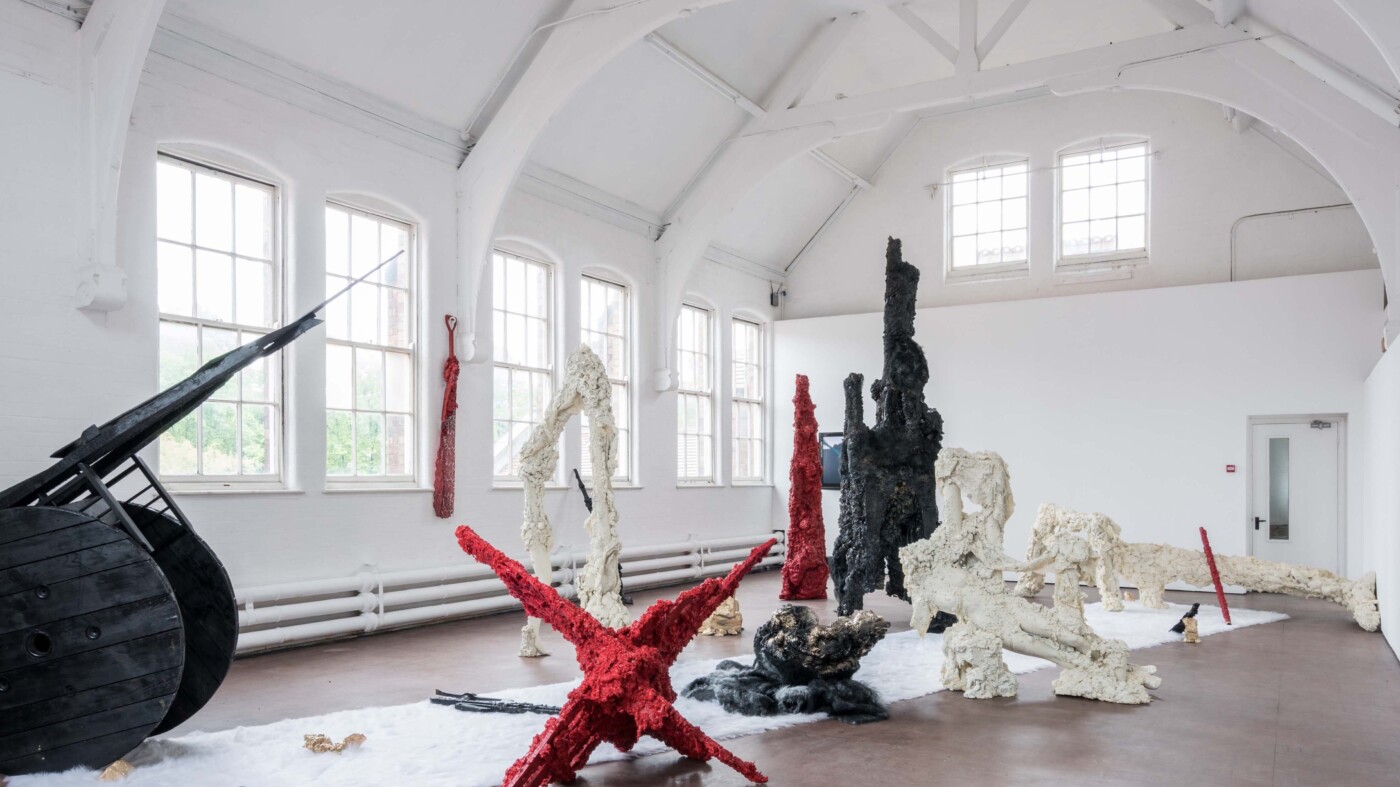
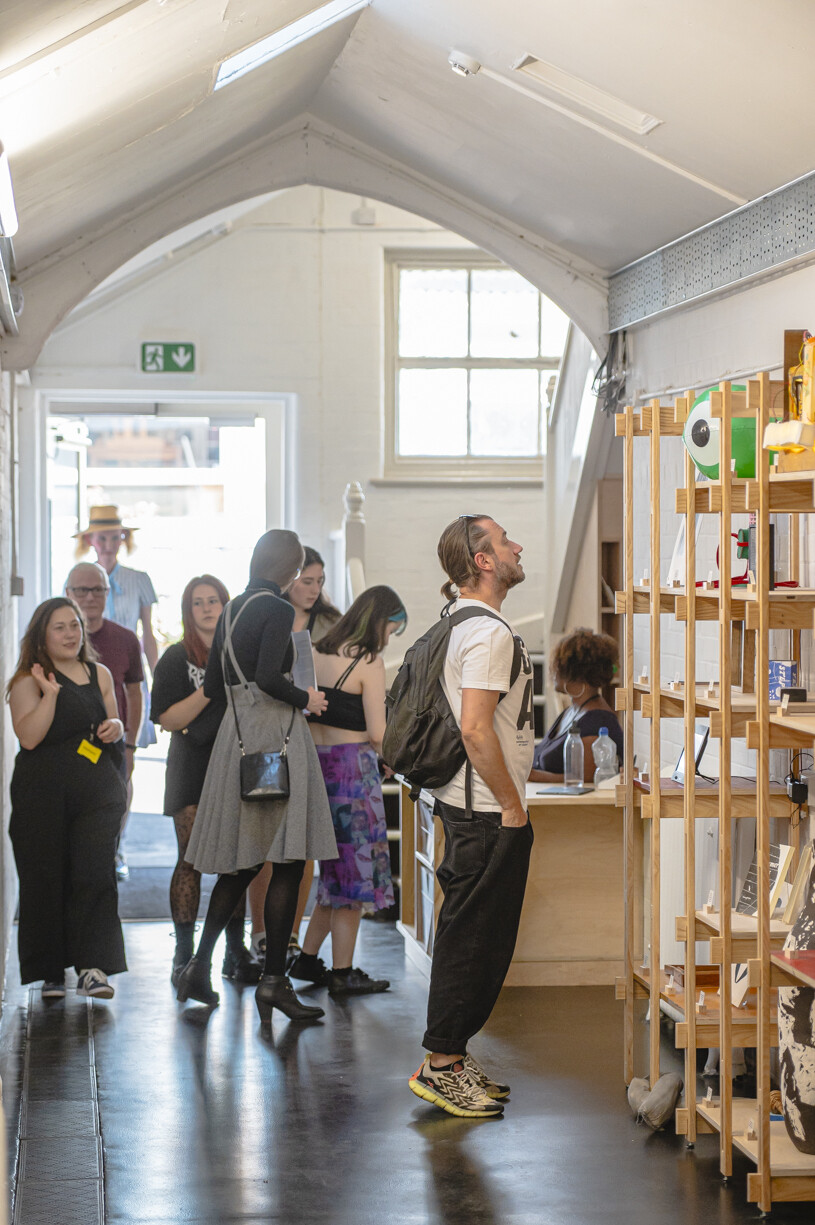
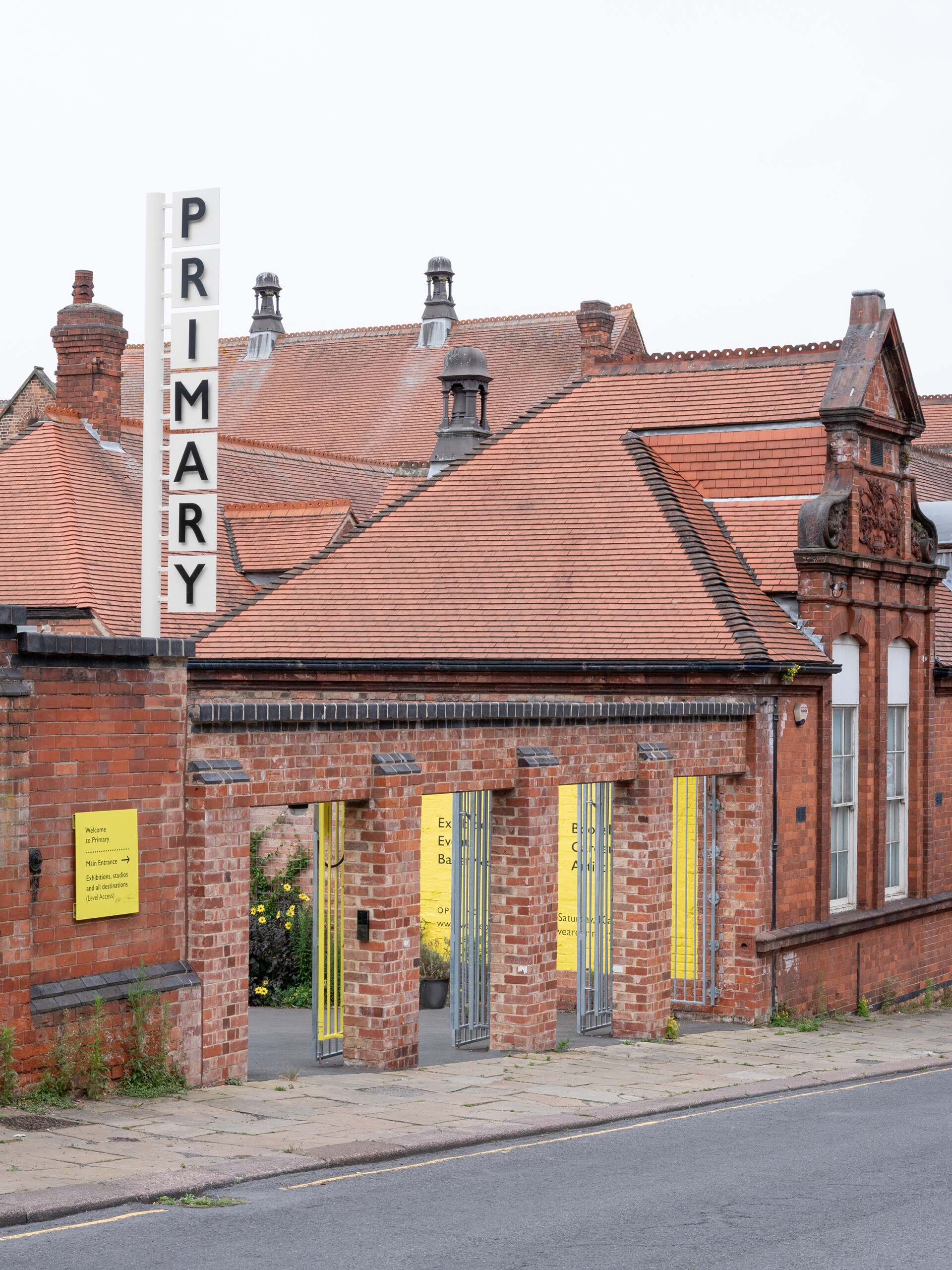
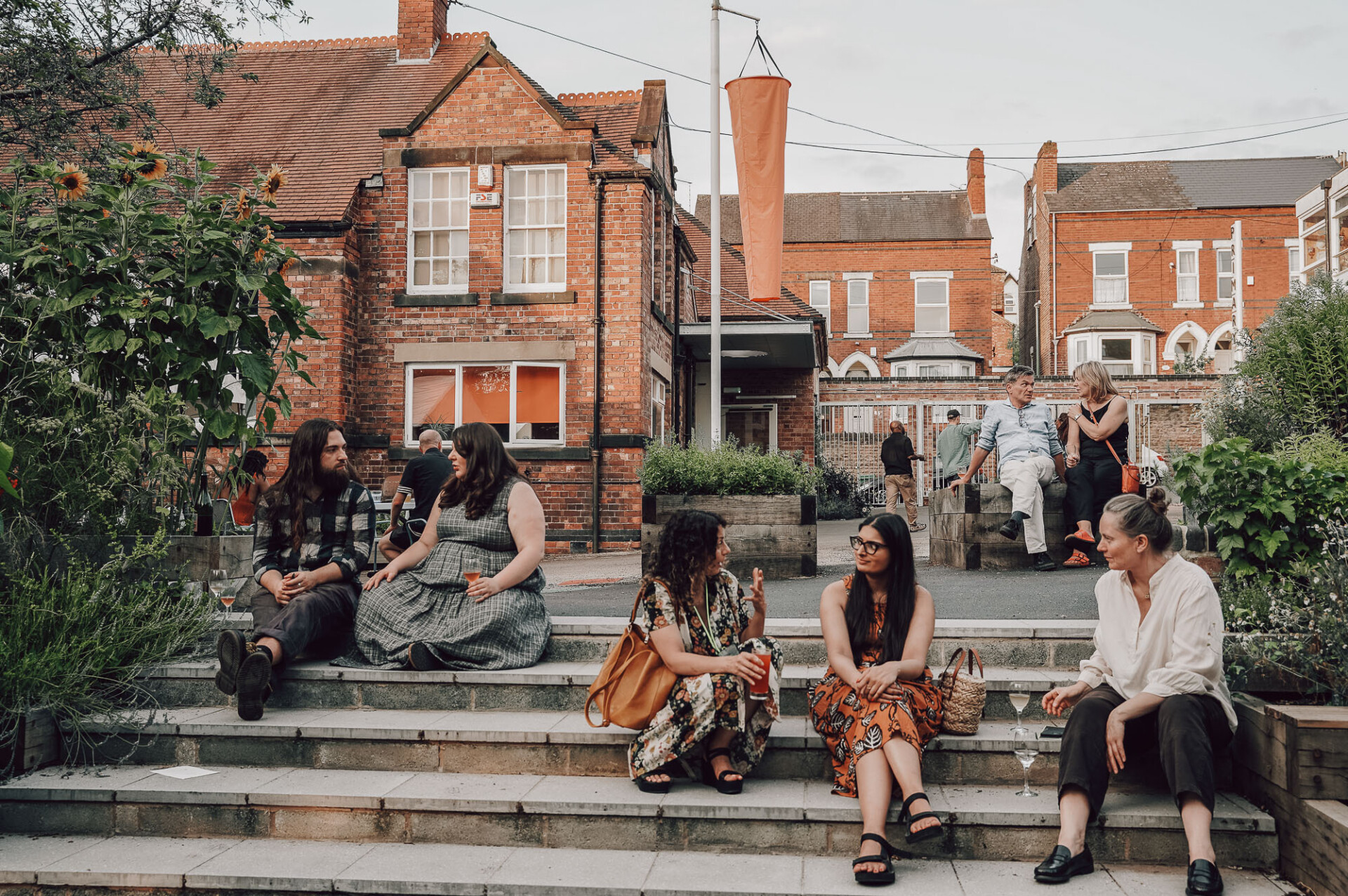
Of all the places we visited, the one that has stayed with me most is a project called Primary in Nottingham. It’s a reinvention of a Victorian school building as a social and community arts space: part gallery, part meeting place, part bakery (with some of the most impressive cakes and pastries I’ve ever seen).
What made it extraordinary wasn’t the budget, it was one of the smallest projects we saw. What made it special was the spirit of the place. The building has been shaped around the idea that art should exist within everyday life, embedded in the community. You could feel that ethos in the spaces themselves and in the people running them. The passion was unmistakable.
Finding my voice in the process
I’ll admit that stepping into the role initially felt slightly daunting. RIBA is such a prestigious institution and the level of expertise among the judges was impressive. But that feeling quickly disappeared. My voice as a lay assessor was always welcomed and genuinely valued. The discussions were collaborative, thoughtful and rigorous, supported throughout by the RIBA team who guided the process with real care.
What I took back to my own work
The experience reinforced something I believe strongly as a designer: good design thrives on different perspectives. Hearing architects, conservation specialists and sustainability experts debate projects revealed just how many forces shape the final outcome of a building. It also made me more curious about the wider systems surrounding our wayfinding design processes and decisions that can either enable creativity or quietly constrain it.
Why I'd do it again
By the end of the experience I realised just how much I had enjoyed it. The buildings were inspiring, the discussions were fascinating and the process itself felt meaningful. Being part of recognising architecture that genuinely improves people’s lives was a privilege.
Anyone working in the architectural field should consider putting themselves forward. You learn not only about buildings, but about the many perspectives that shape them. I would apply again in a heartbeat and next time, I like to think I’ll be an even better judge.
Learn more about the RIBA Awards and view the 2026 shortlisted projects here.
Hero image photography credit: Primary