
Is there a specific project that has been a highlight so far?
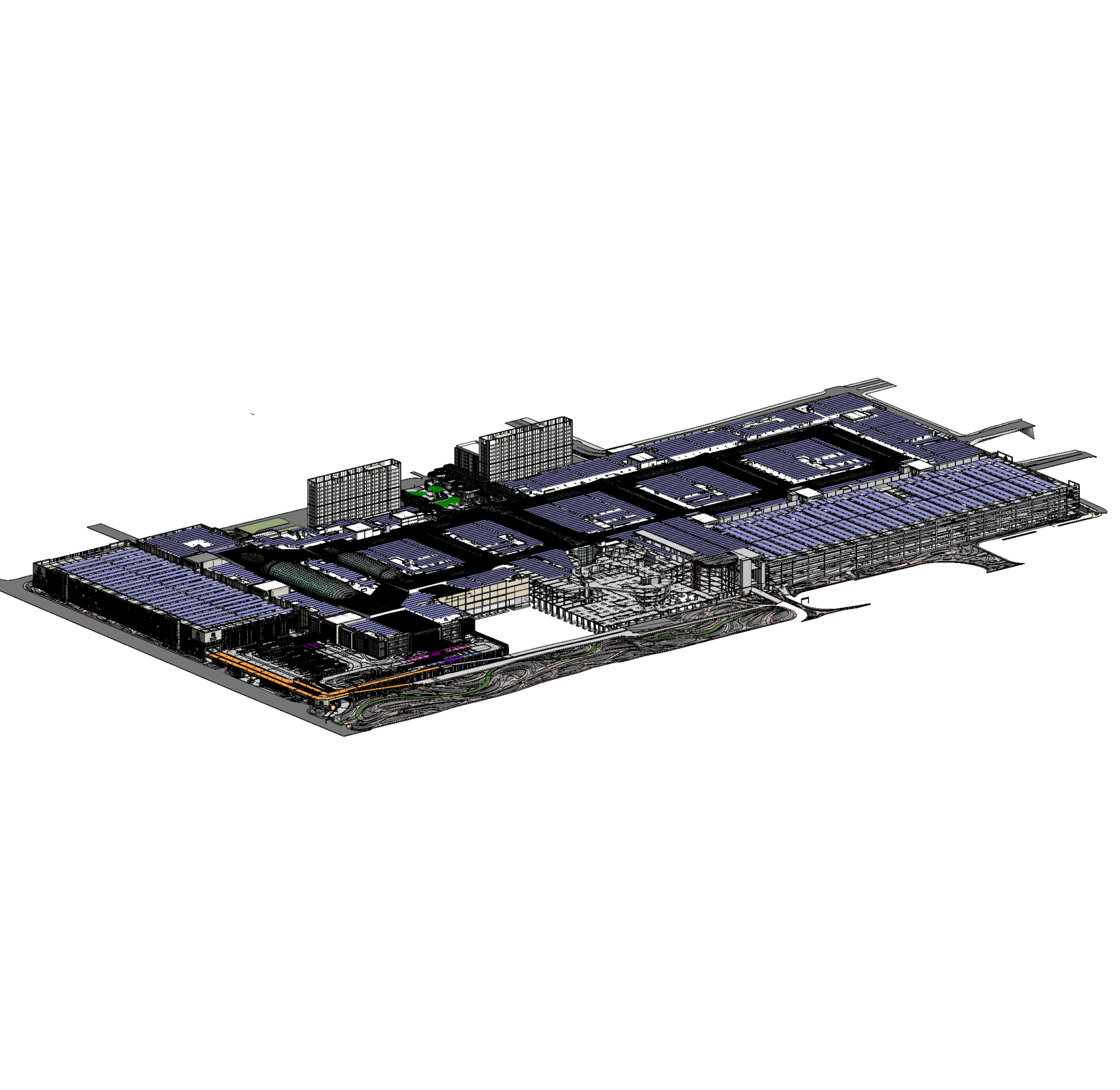
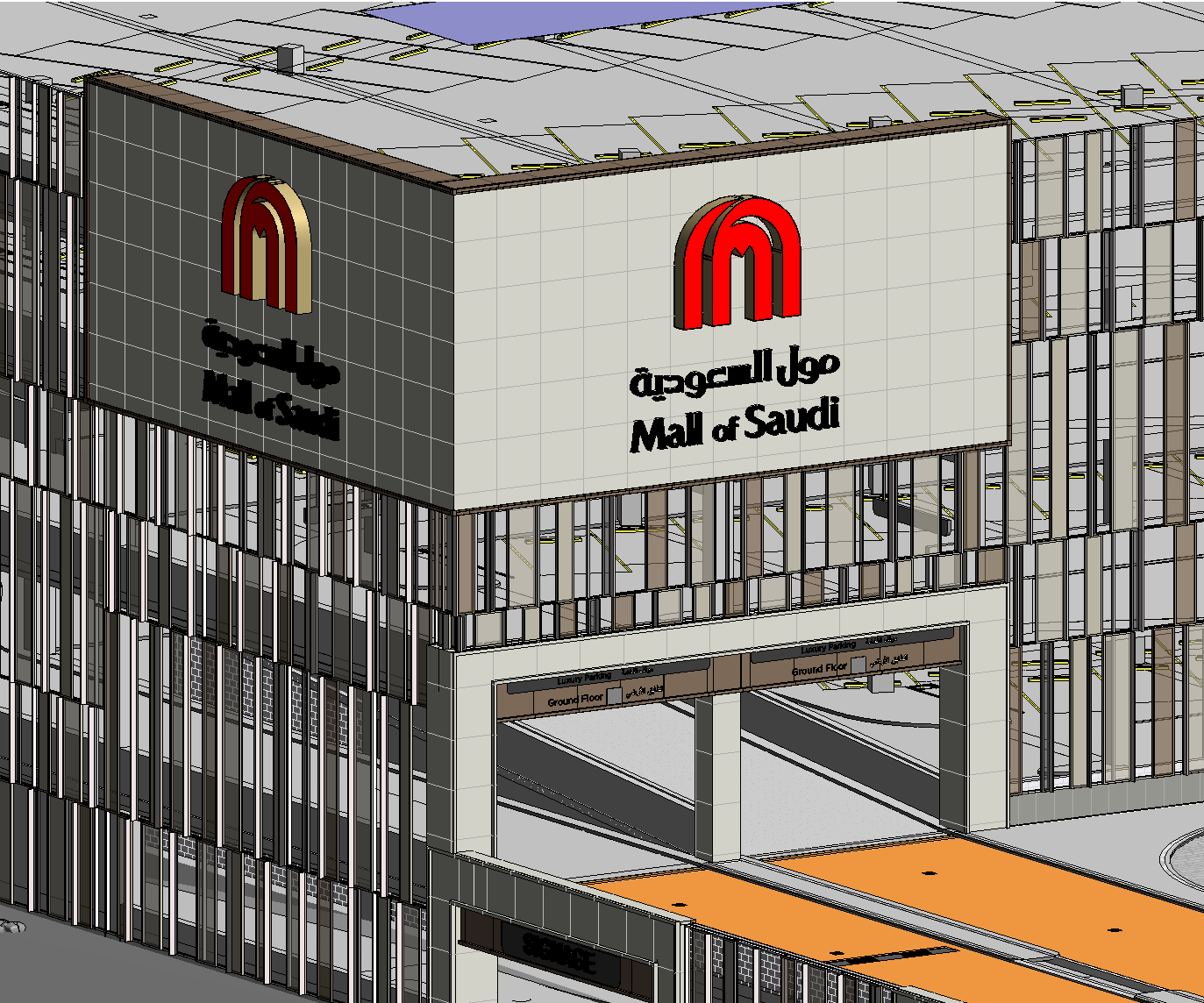
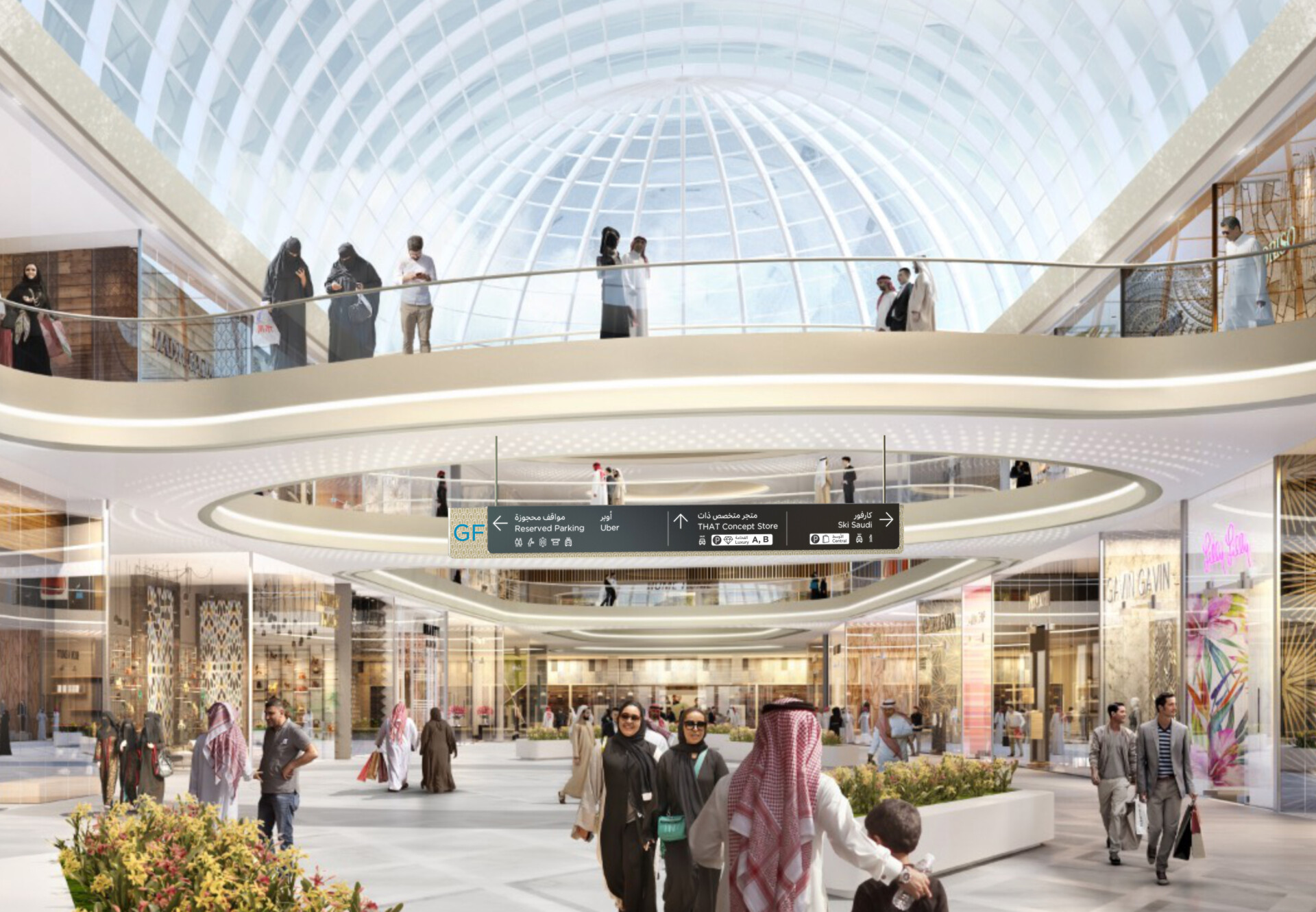
One project that stands out is the Mall of Saudi in Riyadh, Saudi Arabia, which was particularly memorable for me as it marked my first project with Endpoint. It was a significant learning experience not just for me, but for the entire team, as this was our first project where we integrated BIM processes.
In my role, I was responsible for implementing BIM within the company, starting with coordinating between different disciplines and identifying any BIM-related issues. I worked closely with consultants from other disciplines, ensuring that any potential conflicts or challenges were addressed and resolved. As this was a new process for the team, I also took on the responsibility of explaining the entire BIM workflow, ensuring everyone was aligned and familiar with the procedures. This project provided a valuable foundation for us as we navigated the complexities of BIM for the first time.
How do you approach a new project? Do you follow a specific process or routine?
Yes, I follow a specific routine to ensure a structured and efficient workflow. The process begins with our design team, who handle the initial approvals during the concept stage. Once we transition to the technical phase, starting at the schematic stage, we conduct an internal project brief to thoroughly understand the project’s scope and objectives.
If the project includes BIM deliverables, we make it a priority to arrange a BIM kick-off meeting with the client. This helps us align on the project’s BIM requirements, clarify processes, and review the BIM Execution Plan. Additionally, we ensure that our team members have access to the necessary cloud-sharing platforms to facilitate smooth collaboration. From there, we kick-off the project, ensuring all stakeholders are on the same page.
What inspires your creativity when working on complex or unique tasks?
I'm inspired by the challenge of finding the most efficient approach. I'm constantly seeking innovative solutions that can streamline processes and benefit both the team and the project. For example, I look for shortcut methods, such as plugins or scripting, to reduce repetitive and increase productivity.
I also find inspiration in the learning process. Each new project presents a unique challenge which offers a valuable opportunity to grow, expand my skills, and push boundaries. Ultimately, it's the combination of teamwork, continuous learning, and a drive for innovation that fuels my creativity when tackling complex tasks.
What challenges have you faced in recent projects, and how did you overcome them?
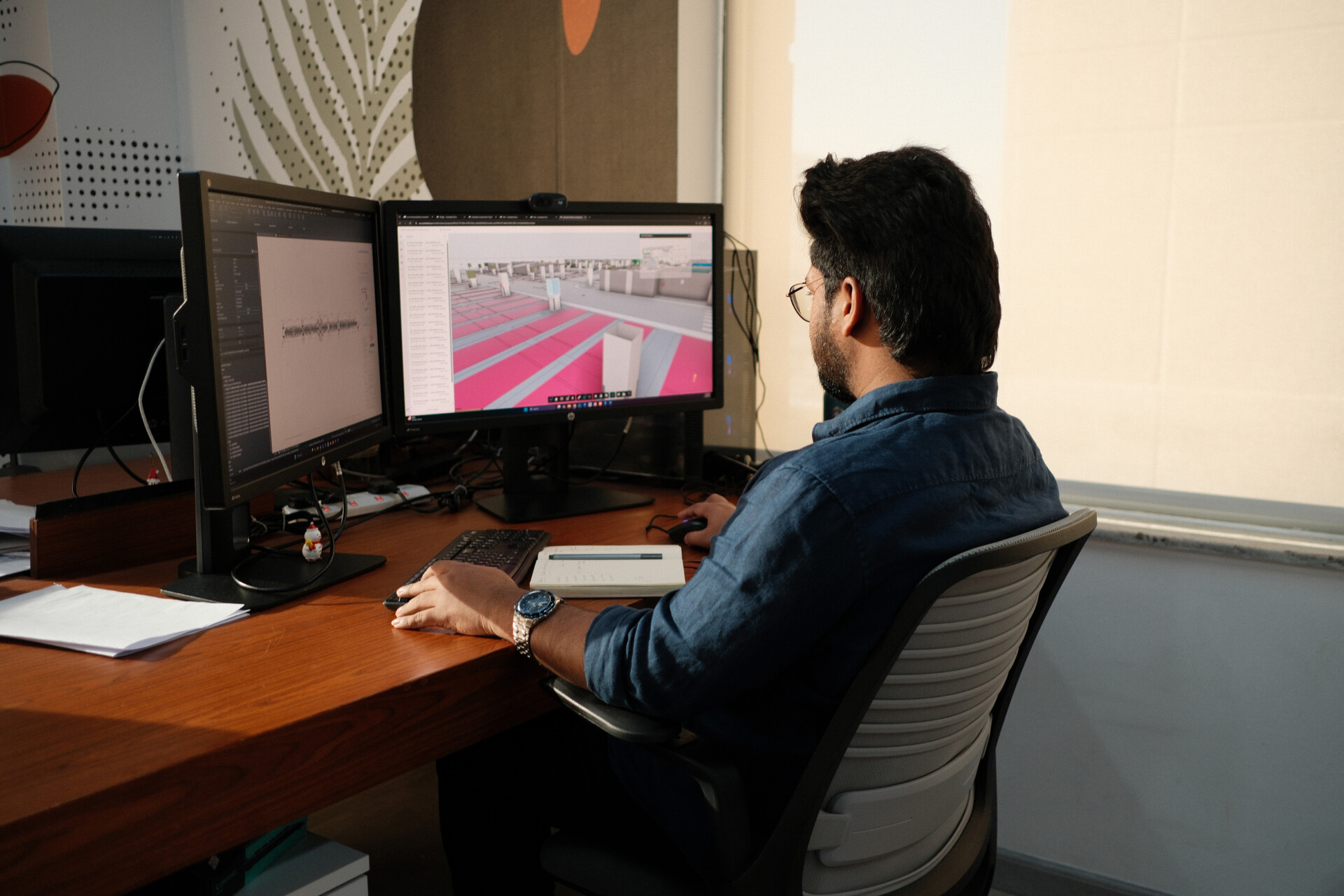
One of the key challenges I've faced has been resource shortages, particularly on large-scale projects with extensive deliverables and tight deadlines. A prime example of this was a project requiring the placement of numerous back-of-house door signs, a task that would have been time consuming if done manually.
To tackle this, I explored the potential of Dynamo, a tool that could automate the placement of specific sign types. After learning the tool, I developed a custom script to streamline the process. We are currently testing this solution, and whilst it's still in the trial phase, the results have been promising. I'm excited about the potential of this innovation to save time and optimise resources on future projects.
How do you stay motivated and focused when working through tough creative blocks?
I find that a quick break can make all the difference. I often step away for a coffee, change my environment, or put on my headphones and listen to some music. Within the time it takes to enjoy a song and a cup of coffee my energy is refreshed, and I’m able to return to my work with renewed focus. A good mix of music and a brief pause are usually enough to help me reset and overcome any creative challenges.
What current trends are you observing in the wayfinding design industry?
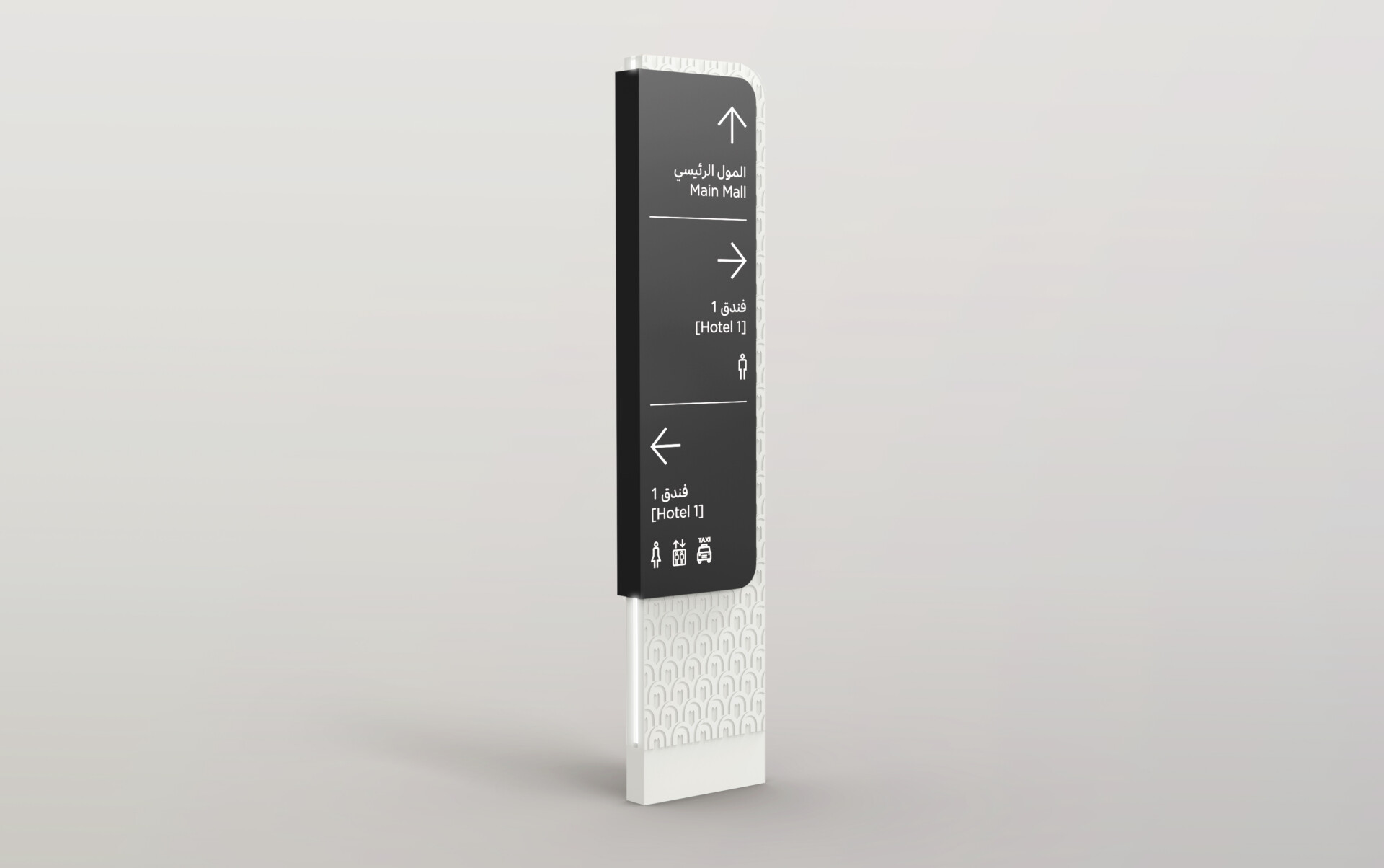
I’m seeing a growing trend towards using AR and VR technologies. As a BIM designer, I’m exploring how to integrate VR in our BIM models to create immersive user journeys, guiding people from arrival to their destination. Additionally, AR and VR can be used to create virtual mockups of signage before they’re manufactured. It gives a look and feel before you get the actual product. These technologies are reshaping how we approach and enhance wayfinding design.
What do you enjoy doing outside of work?
Outside of work, I enjoy exploring new restaurants and watching movies with my wife. I also love relaxing on the couch, playing PlayStation games to unwind and recharge.