
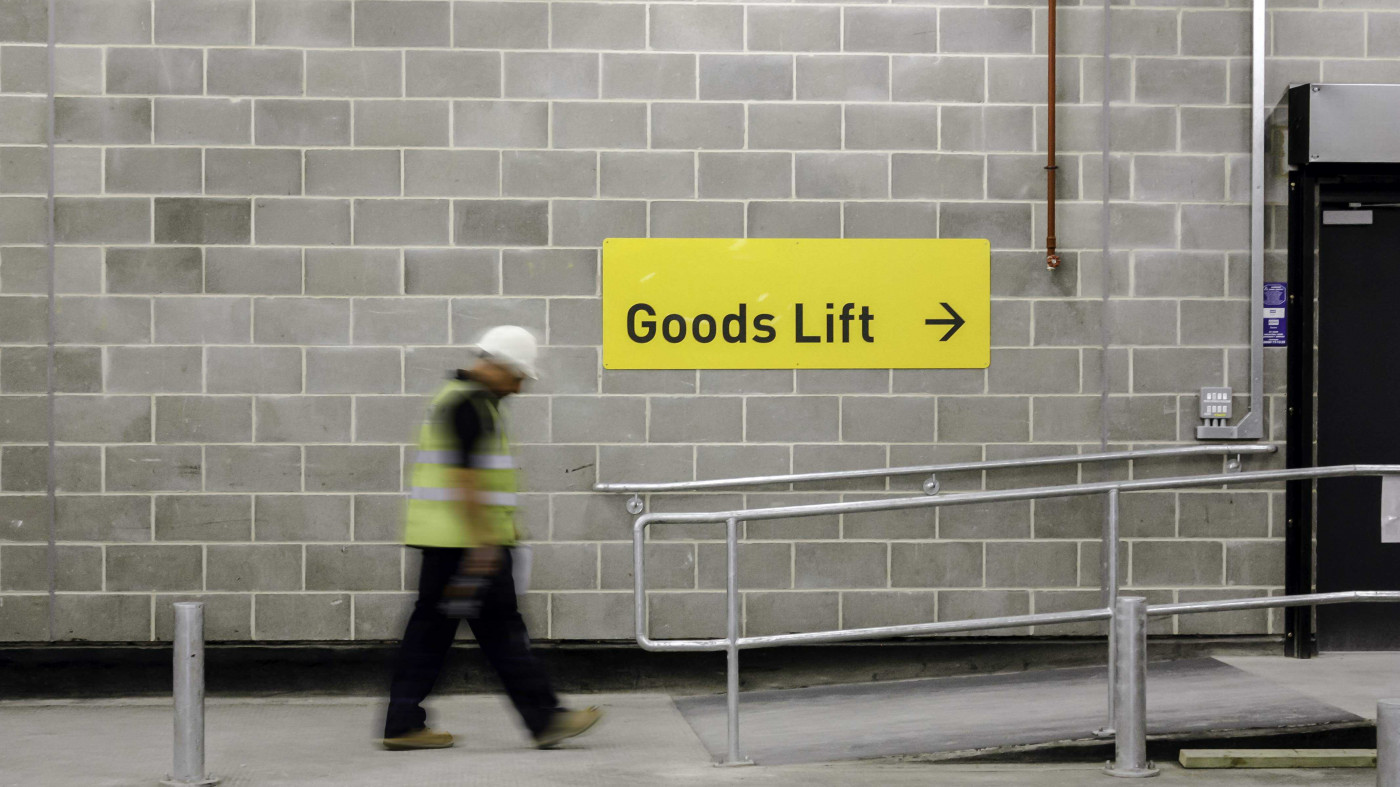
The invisible risk that becomes a visible problem
Large facilities are often designed and tested with the visitor journey front and centre, while staff-only environments evolve through phased openings, operational change, and the slow accumulation of workarounds. What starts as a logical network can become a patchwork of legacy zones, revised access protocols, and informal shortcuts that depend too heavily on internal knowledge.
Back-of-house wayfinding deserves the same clarity, structure, and design thinking as any public journey.
Relying on familiarity is an ineffective strategy in modern operations. Many back-of-house users are new to the building or only on site intermittently. Agency teams, seasonal staff, contractors, delivery drivers and visiting specialists cannot reasonably be expected to navigate a complex environment by osmosis. When clarity is missing, time is lost, handovers become harder, and avoidable friction builds.
In this context, wayfinding is not a staff convenience; it's an operational necessity.
Inclusive by design for the people who keep the building running
The back-of-house workforce is diverse in role, experience, and access needs. Accessibility and inclusivity should not stop at the public boundary. People may have mobility, vision, hearing or cognitive needs, or temporary impairments that still shape how easy it is to move safely and confidently through a building.
An inclusive back-of-house approach reduces dependence on who you know or how long you have been here. It supports safer movement, smoother processes, and less pressure on staff.
This is not about creating something elaborate or lavish behind the scenes. It is about creating something fair, legible and robust so the building works for the people who make it work.
The employee experience is the customer experience
Across sectors, we see the same pattern. When staff struggle to navigate, service suffers. Time is lost. Mistakes increase. The customer will feel it, even if they never see the areas where the problem began.
The strongest wayfinding systems treat back of house as part of the same whole-journey ecosystem. Clear wayfinding enables staff to operate efficiently, safely and confidently, resulting in smoother operations and a better experience for all.
A practical brand application with real operational value
At Endpoint, we see wayfinding as both a functional system and a brand asset. Even in staff-only environments, it can express care, clarity and shared purpose.
The best solutions are rarely complicated. They are considered. They are shaped through collaboration with operational teams, grounded in real movement patterns, and designed to be maintained and scaled. This is where creative curiosity meets pragmatism. The goal is simple, effective clarity that supports both performance and pride.
If the back-of-house isn't right, the front of house won't be either
Wayfinding is a whole-journey discipline. When staff can move confidently, efficiently and safely, buildings perform better. Service becomes more consistent. Pressure reduces and the experience improves for everyone.
So, the question is not whether you can afford to invest in back-of-house wayfinding.
It is whether you can afford not to.