


Public toilets have always been "bolted on" rather than designed in
Gail's starting point is a simple one: public toilets were never designed inclusively to begin with.
"When public toilets were first created, probably 150 years ago now, we were just designing for able-bodied men, frankly."
Every group beyond that original standard, women, wheelchair users, parents, has been added on as an exception, rather than the toilet being redesigned around everyone from the start.
There's no single owner, so there's no single map
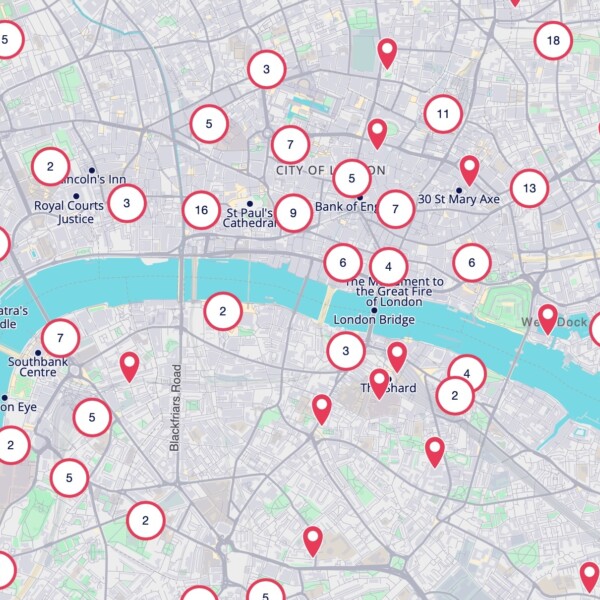
Wayfinding to a toilet starts long before anyone leaves the house. Gail's research exposed a significant problem: there was no central source of information about where public toilets even were. Ownership is fragmented across councils, shopping centres, train stations and parish councils, each with their own standards and often no published information at all.
That's what led Gail's team to build the Toilet Map, now covering 15,000 publicly accessible toilets across the UK. It doesn't just tell people a toilet exists; opening hours, ownership and rough facility type all help someone to built a mental picture before they arrive.
What can a tap teach us about inclusive design?
Some of the most useful insights in the episode comes from something as ordinary as a tap. Gail describes what most people actually need from one: it should be intuitive to look at, and easy to operate without much force.
"Whether you're six years old or ninety, you need one that's very easy to operate. A large lever, nothing too fiddly. If designers have got to choose a tap anyway, why not choose one that the most people can use?"
That same lever helps someone with limb loss, someone carrying shopping, or someone lifting a child. It's a small example of a bigger point: inclusive design often isn't about adding complexity. It's about choosing the option that already works for the widest range of people.
The toilet pictogram is one of the hardest signs to get right
Toilets are one of the only facilities where the pictogram depicts the user not the facility.
For example, a gym has a dumbbell whereas a toilet gets a person, which is exactly why pictograms can feel charged: get the symbol wrong, and someone can feel they've been told they don't belong. Gail and Alison discuss gendered pictograms, the rise of unisex symbols and why there's unlikely to be one design that resolves every tension at once.
"I think it's interesting that we have in toilets a picture of the user rather than a picture of the facility. No other situation that I can think of does the pictogram depict who's using it, as opposed to what it is."
Real co-design means being steered by users before decisions are made
Alison and Gail close with an important distinction between consultation and co-design.
"Very often consultation is done once the decisions are already made, and then the consultation is done to confirm, rather than engaging with people earlier on so you can genuinely be steered by what you're hearing."
Real co-design means being open to having the brief itself reshaped by the people using the space and accepting that this is a slower process. It's more likely to solve the right problem this way, even if it's not the problem you expected to solve.
This is a conversation that will change how you look at every public toilet you walk into, starting with the taps.
Listen to the full episode on:
Spotify: https://open.spotify.com/episo...