Powered by play, organised by design
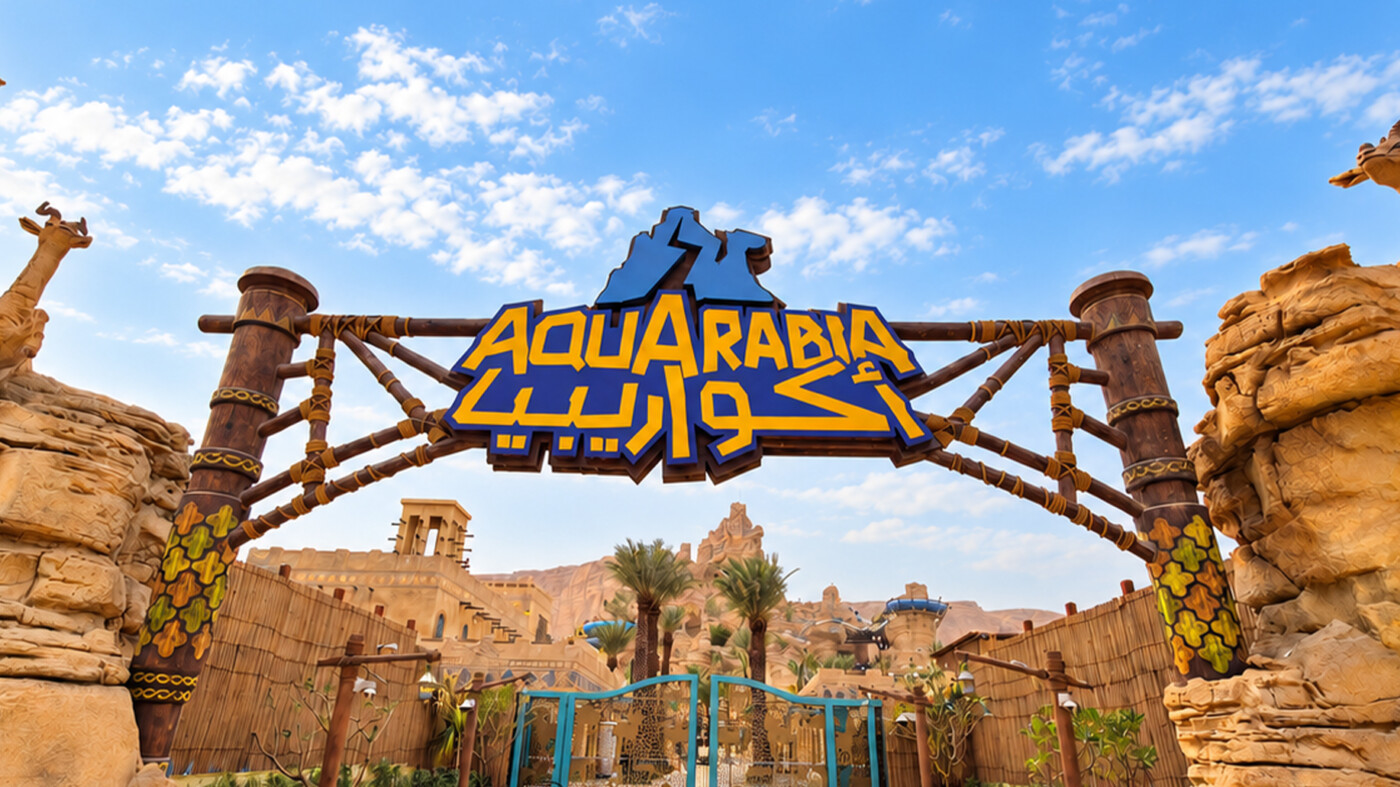
As one of the cornerstone attractions within Qiddiya, Aquarabia plays a significant role in bringing the destination’s vision to life. Qiddiya’s “Now We Play” brand philosophy celebrates the transformative power of play, inviting visitors to experience entertainment, adventure and discovery in entirely new ways. Every aspect of the guest experience is designed to encourage curiosity, engagement and memorable shared moments.
Designing a wayfinding system for a water theme park presents a unique set of challenges. Unlike many public environments where visitor movement tends to follow predictable patterns, guests in a leisure destination are motivated by spontaneity, excitement and personal choice. Their journeys are rarely linear. Instead, they are shaped by impulse, attraction visibility, group dynamics and changing priorities throughout the day. This behavioural complexity was amplified by the scale of Aquarabia.
The park’s eight themed precincts, extensive ride offering, numerous food and beverage venues, guest facilities and family amenities create a highly dynamic environment where visitors are constantly making decisions about where to go next.
At the same time, the wayfinding system needed to remain sensitive to the immersive character of the destination. Signage could not dominate the environment or interrupt the carefully crafted narratives embedded within each precinct. It needed to feel like a natural extension of the park itself while remaining highly functional and accessible.
The challenge was therefore to create a navigation experience that balanced clarity with immersion, operational efficiency with excitement, and structure with the freedom to play.
Where the environment becomes the guide
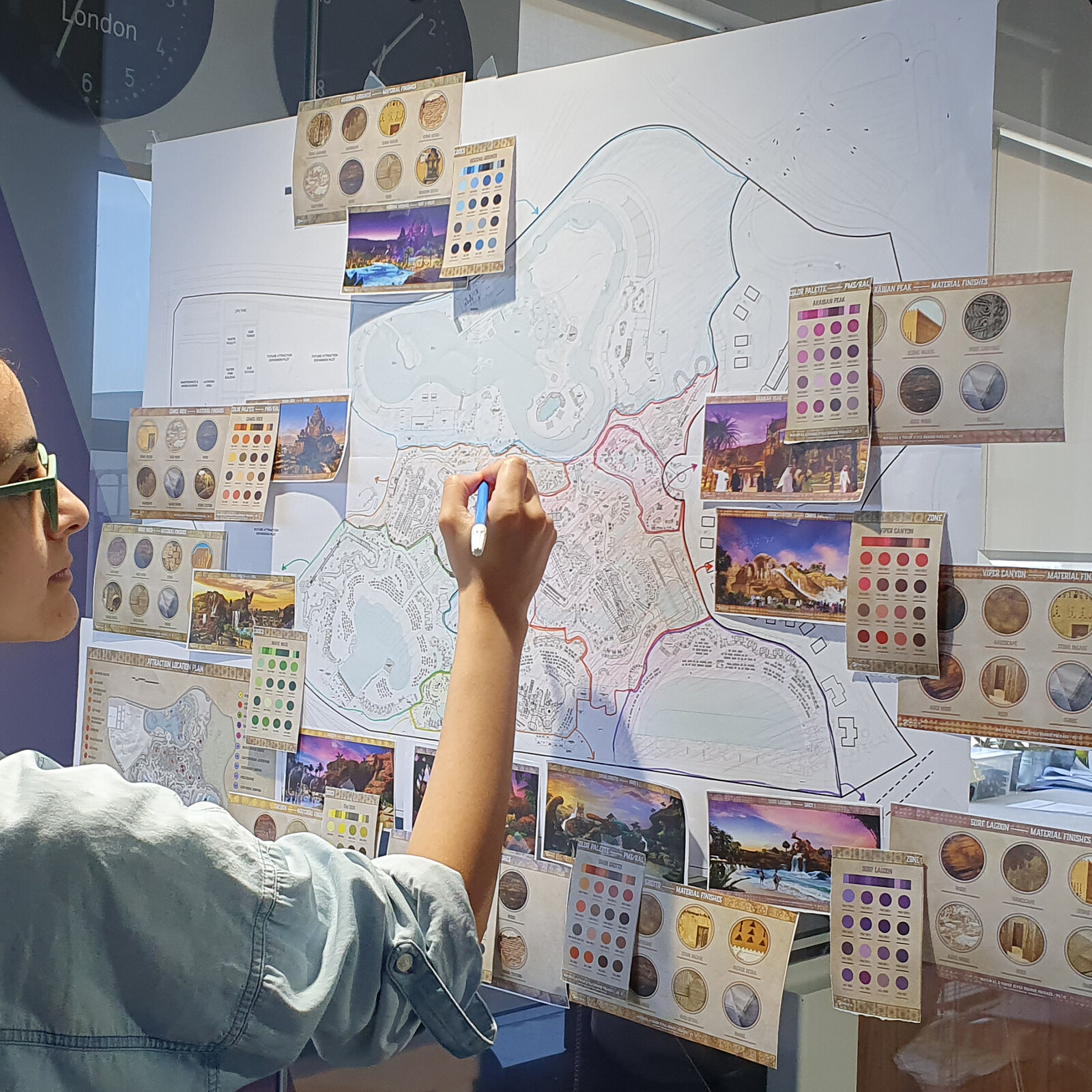
Our strategy began with the belief that orientation should emerge naturally from the environment itself. Rather than treating wayfinding as a separate layer applied to the park, we developed a system that works in partnership with Aquarabia’s architecture, landscape and storytelling.
Information was organised around key moments of decision-making, providing visitors with the right level of guidance when it is needed, avoiding unnecessary visual clutter. A clear hierarchy of directional, identification and informational elements help guests build a mental map of the park over time.
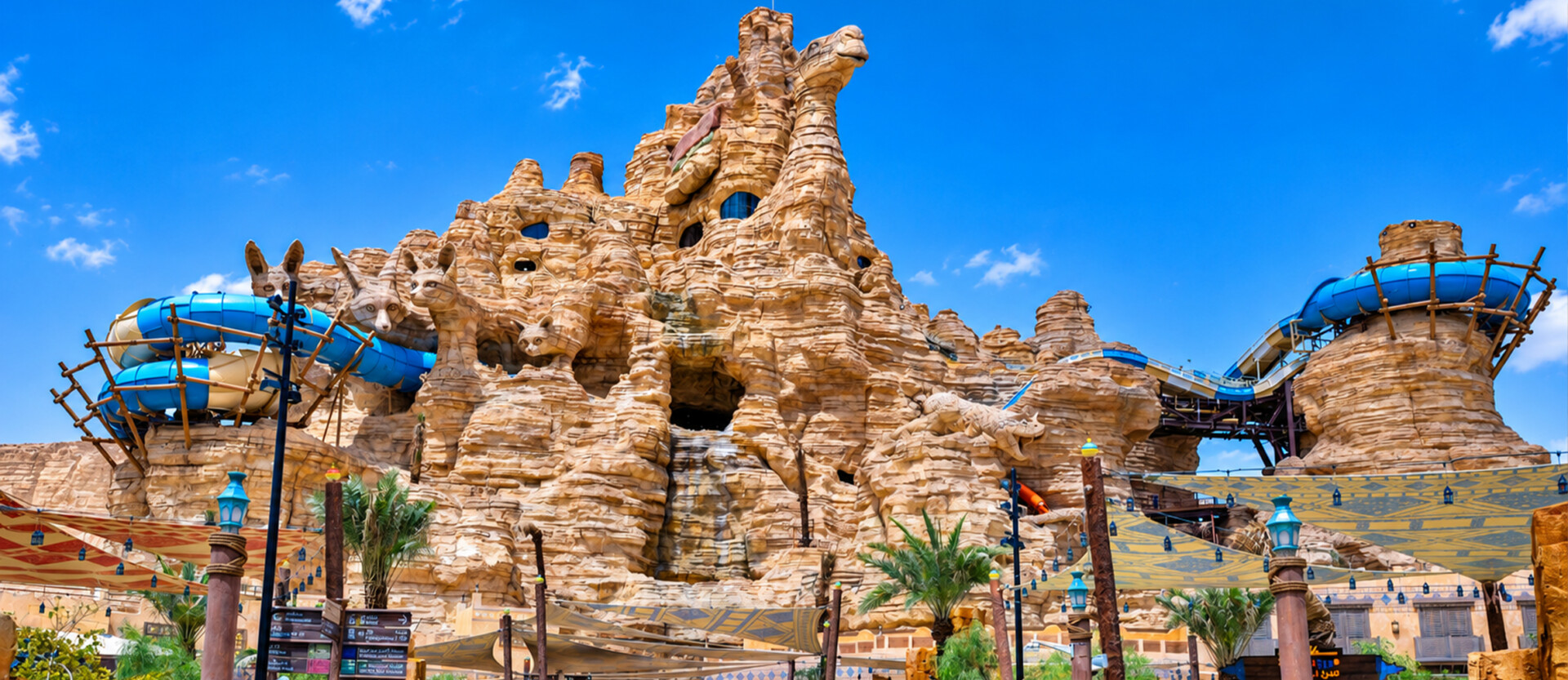
Major attractions act as visual anchors, while clear sightlines and strategically positioned information points support movement between precincts. This allows visitors to orient themselves intuitively, even within a large and highly complex environment.
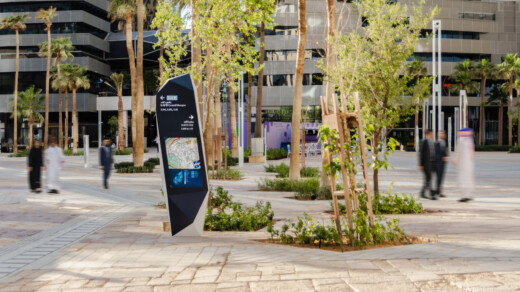
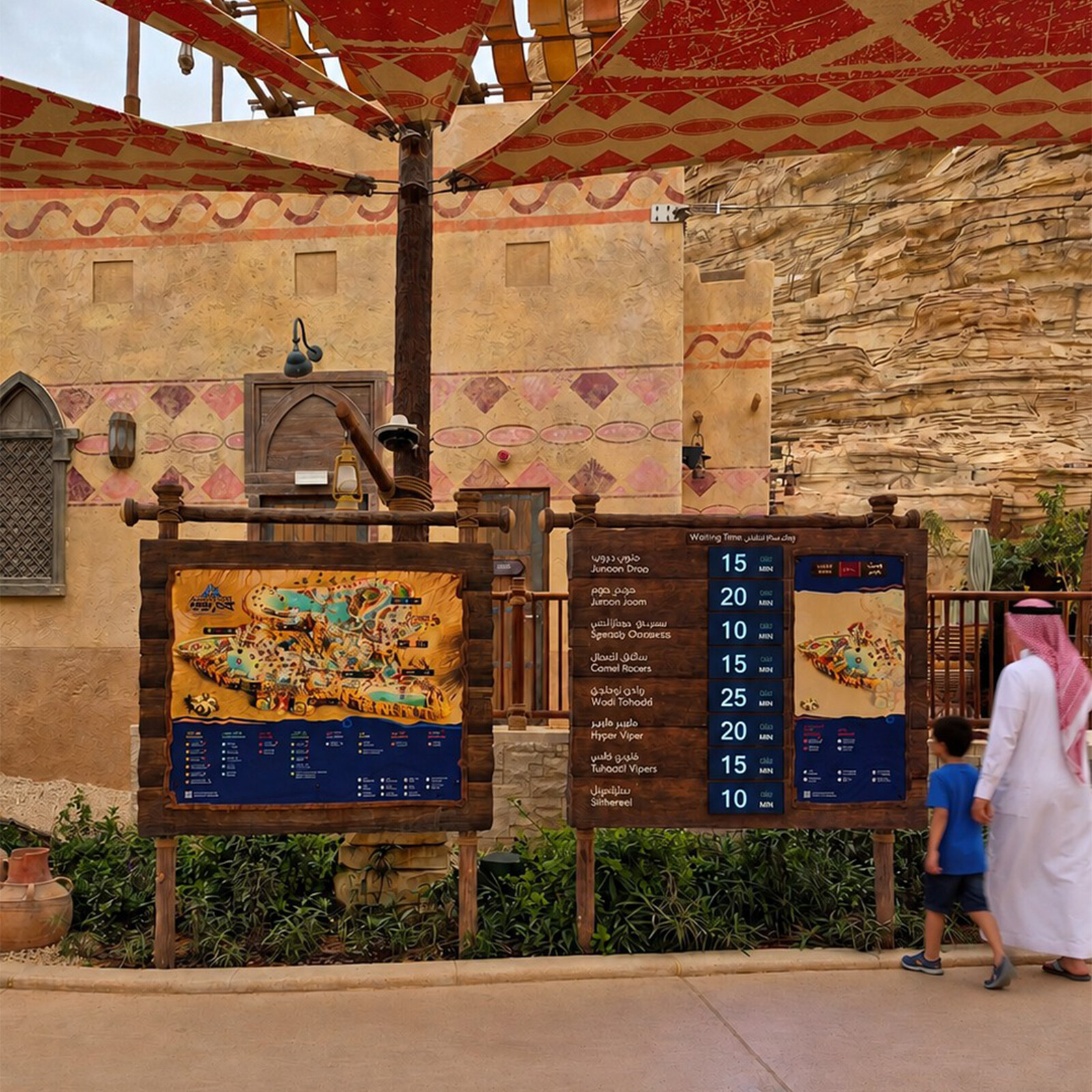
The strategy also accounts for the dynamic nature of the water park experience. Digital information enables the system to respond to changing conditions throughout the day, allowing guests to adapt their plans without disrupting the spontaneity of their visit.
Rather than prescribing a single route, the system is designed to accommodate different behaviours, destinations, and levels of exploration, giving visitors the freedom to experience Aquarabia in their own way.
“Our most recent collaboration with Endpoint was on the iconic Qiddiya Water Theme Park which is the first of its kind in the Kingdom of Saudi Arabia, and the largest water park in the region. In this complex project, the performance of the Endpoint team, including their design creativity and high quality of their work, were praised by all parties involved.”
A wayfinding system inspired by sense of place
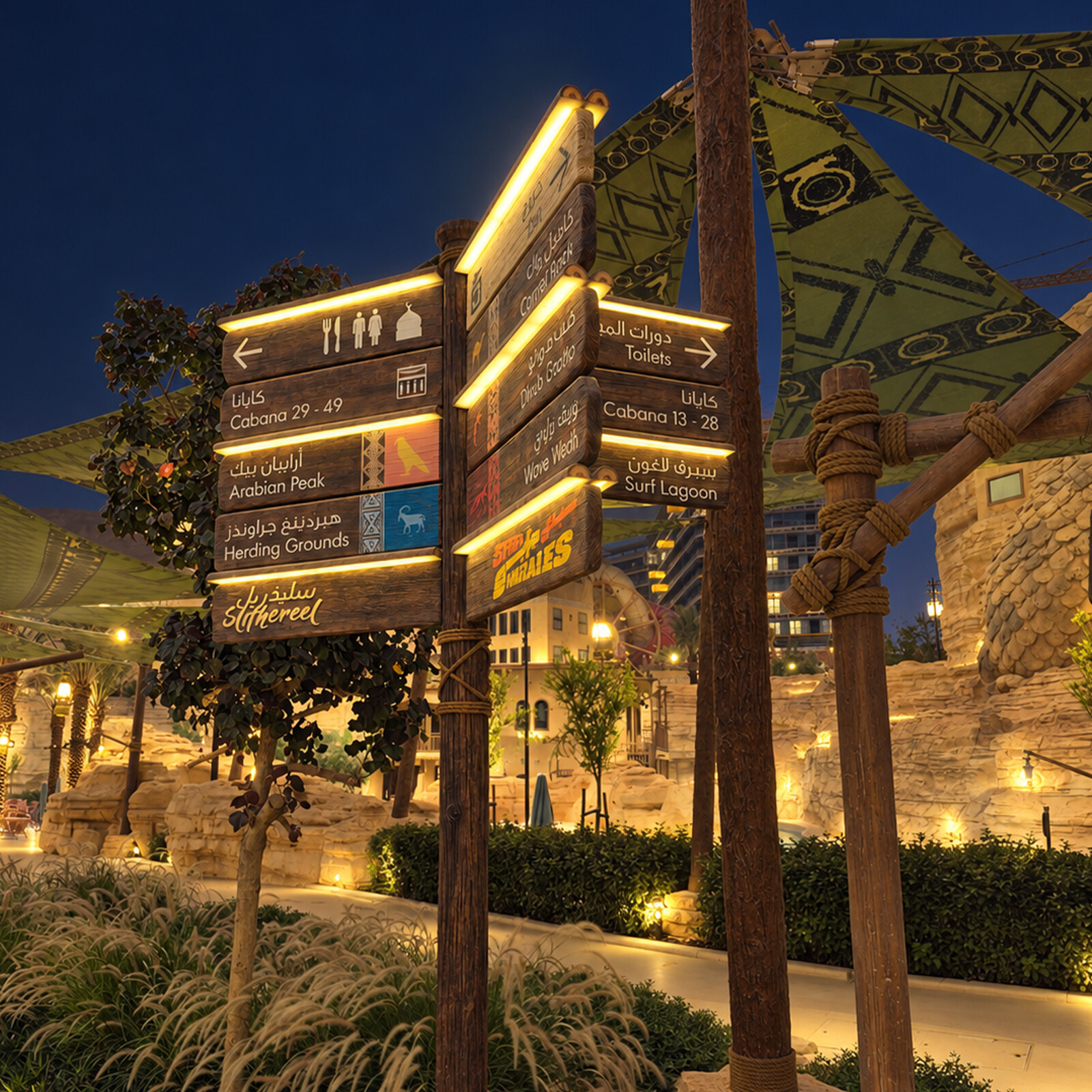
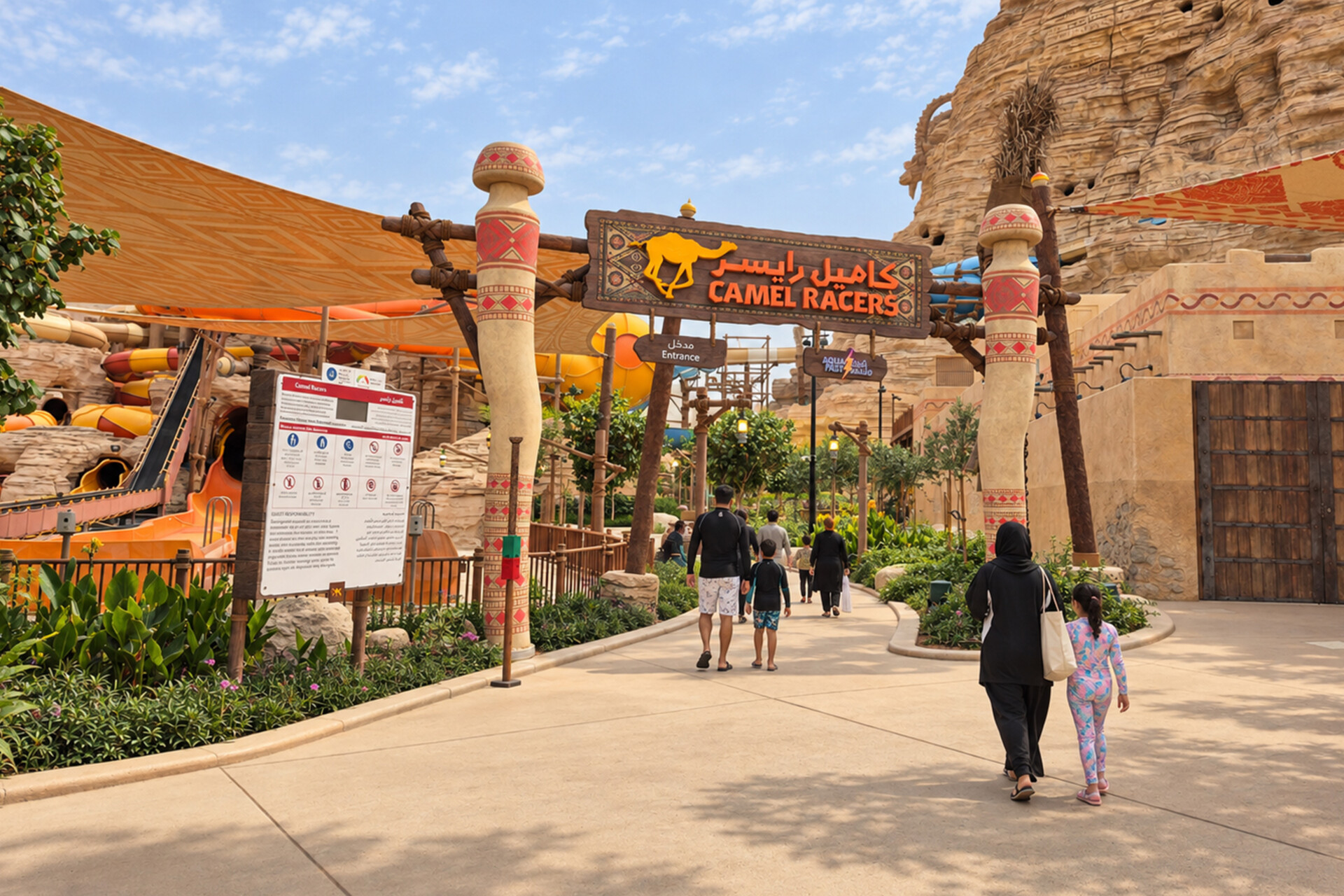
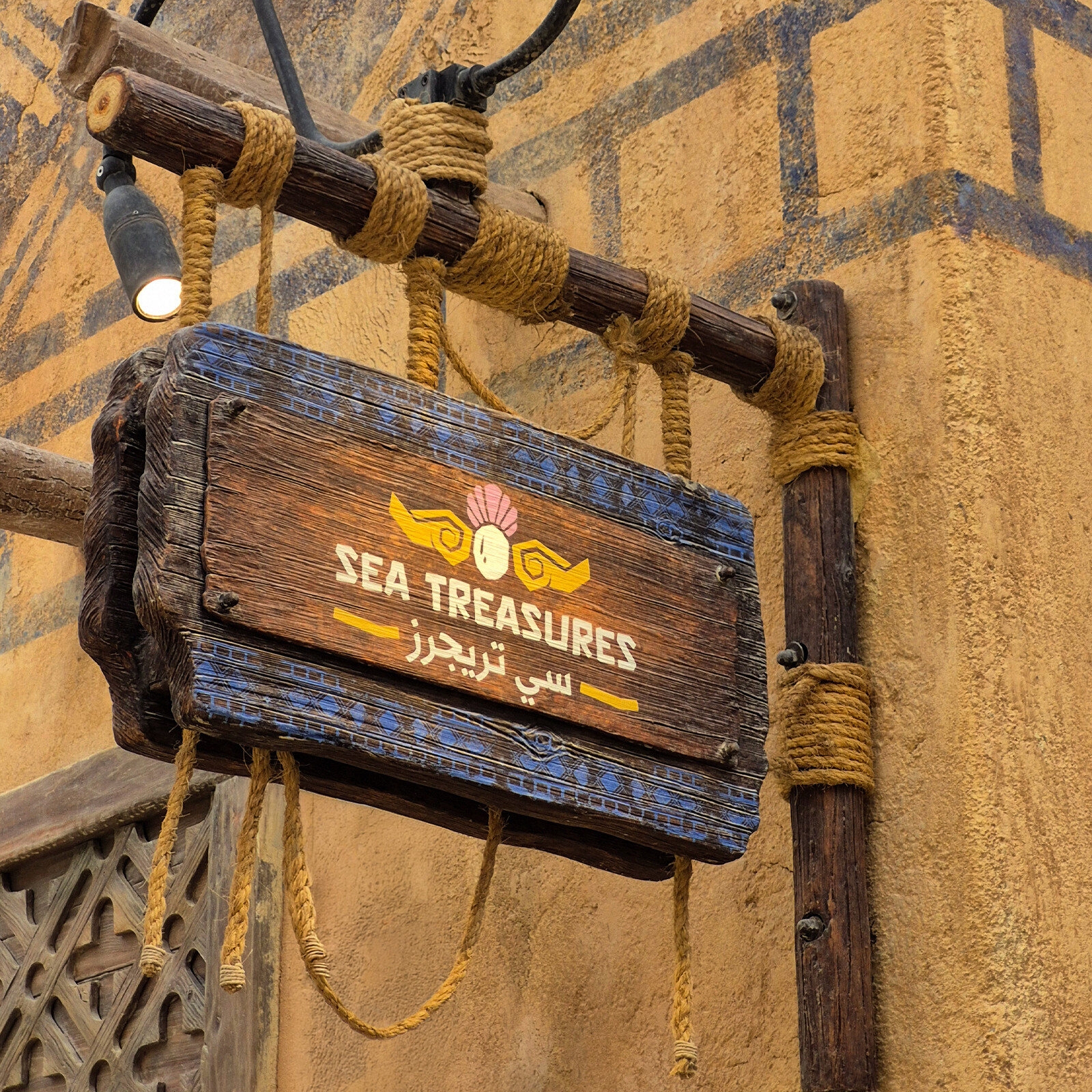
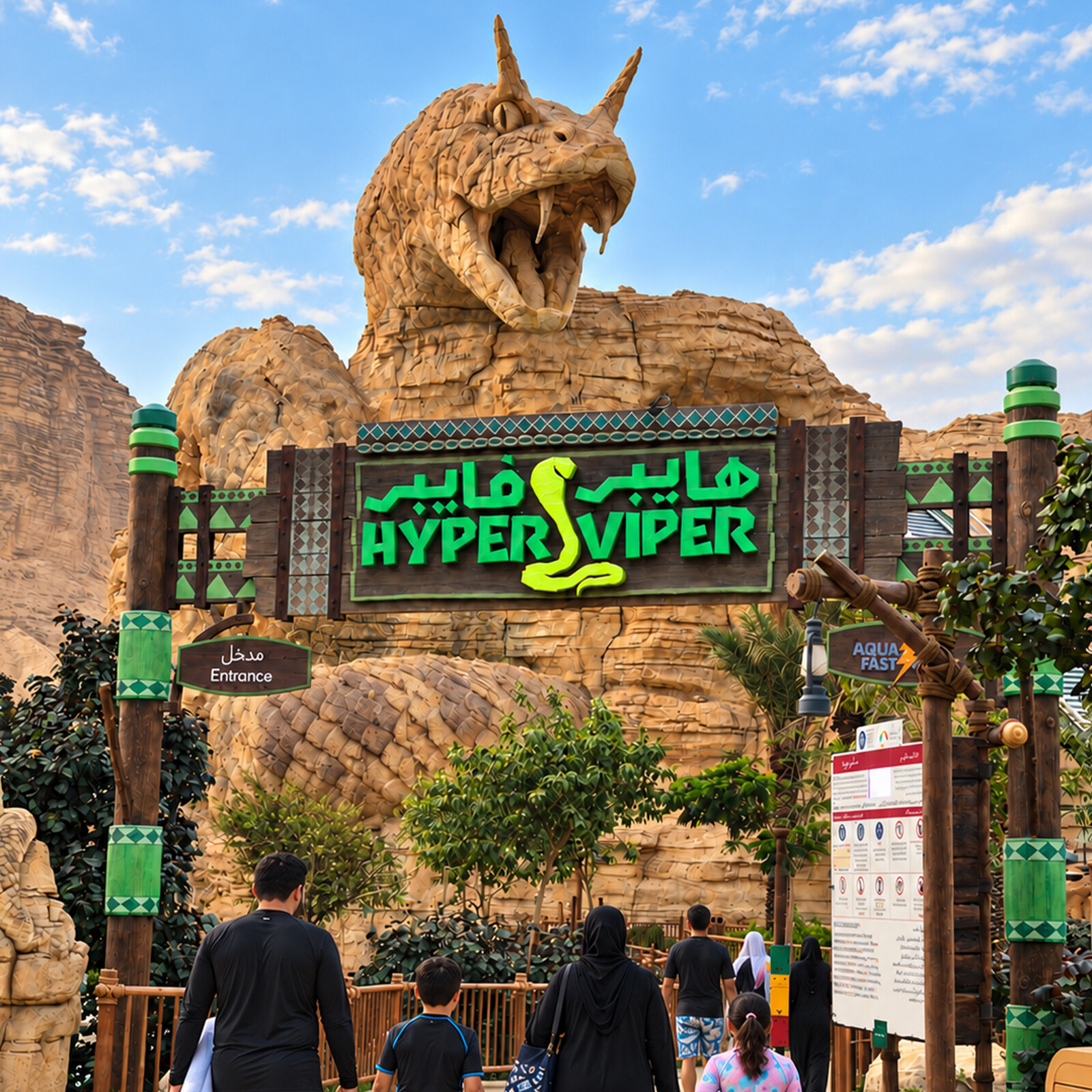
The strategy was brought to life through a distinctive visual language for each of Aquarabia’s eight precincts. Inspired by animals native to the region, each precinct was given its own carefully curated colour palette and graphic identity, creating memorable visual cues that help visitors understand and recall where they are within the park. These identities transform wayfinding from a purely functional system into an extension of the destination’s storytelling.
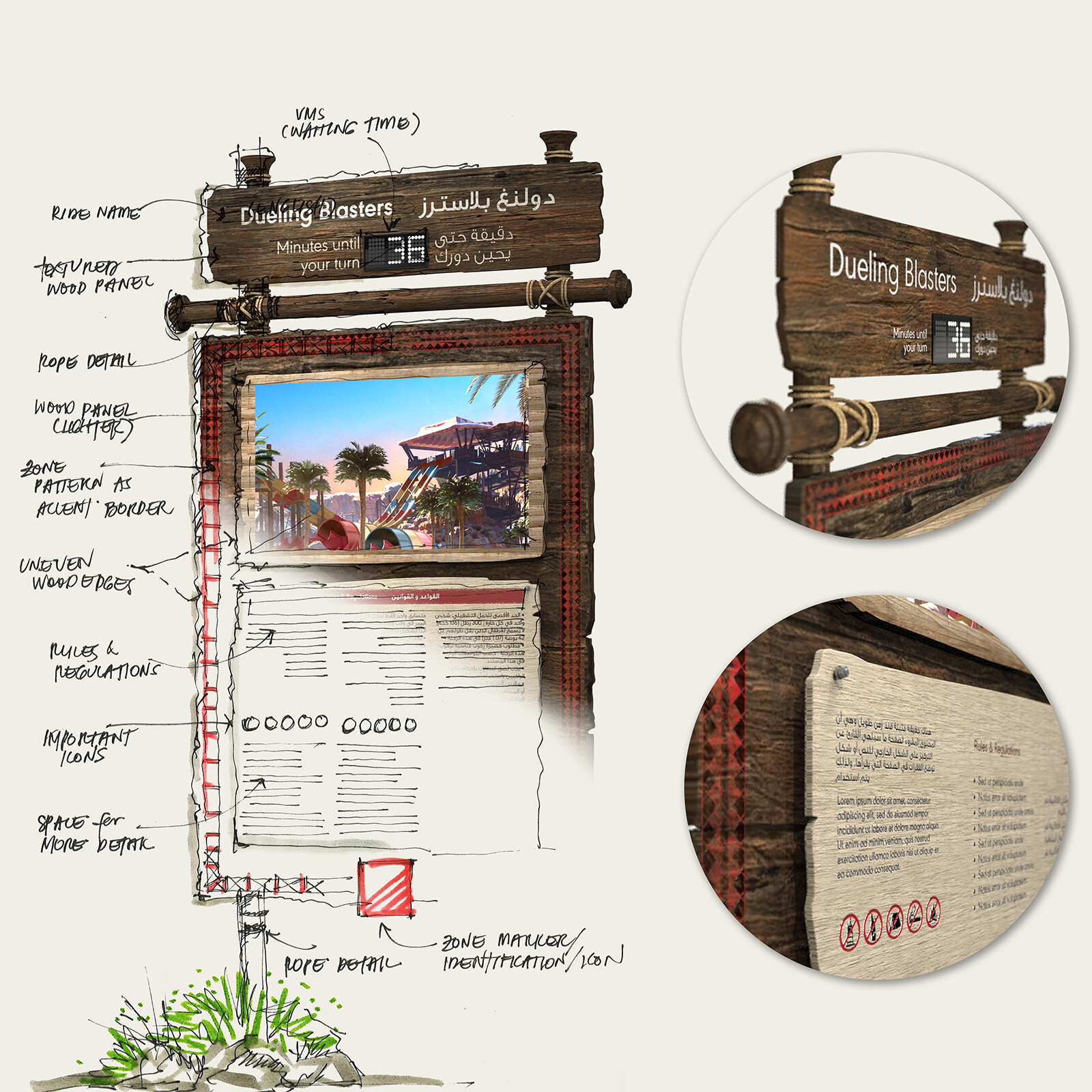
Smart technology was developed to complement the static wayfinding system. Real-time attraction information, queue updates and operational messaging are seamlessly incorporated into the wayfinding experience, helping guests make informed decisions as conditions change throughout their day.
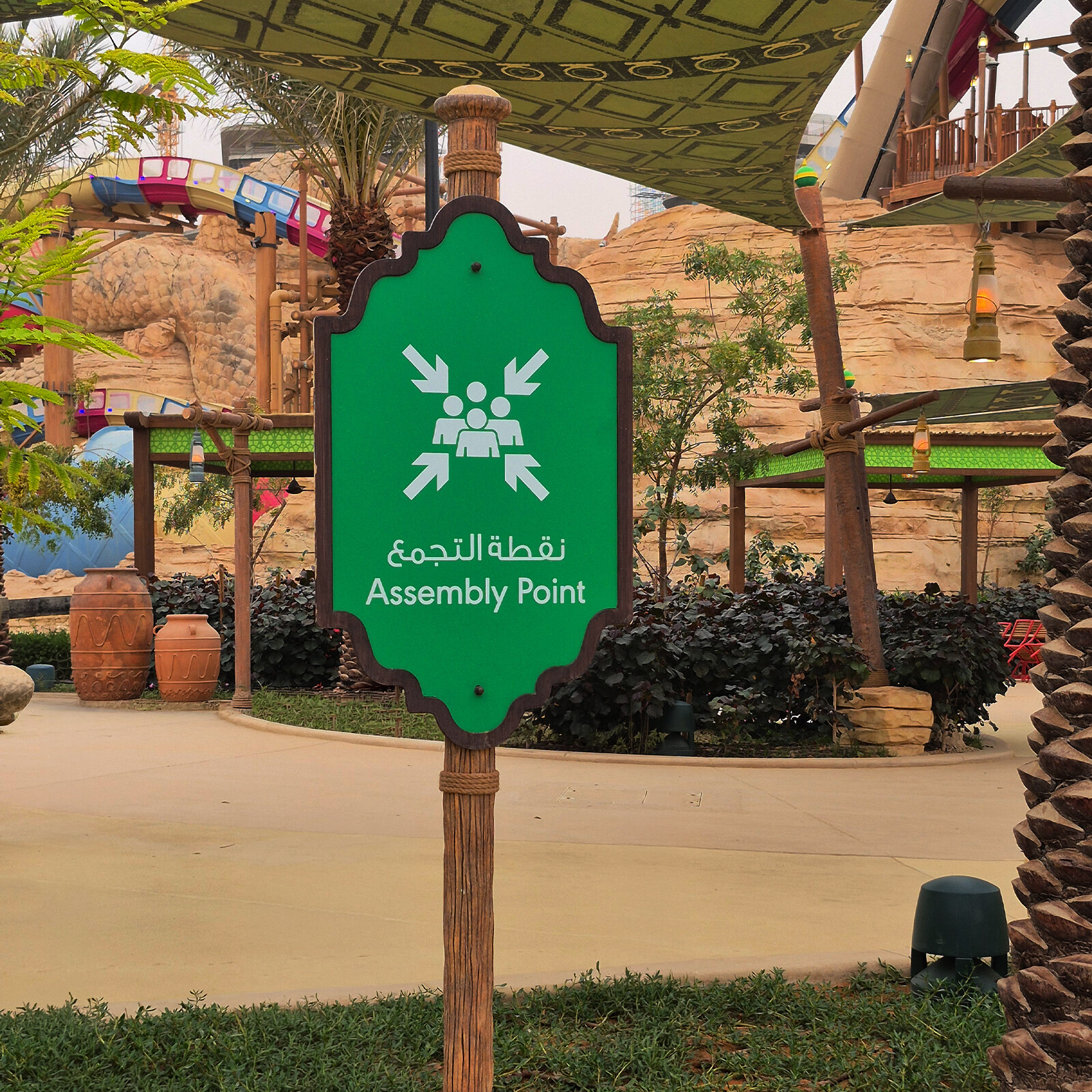
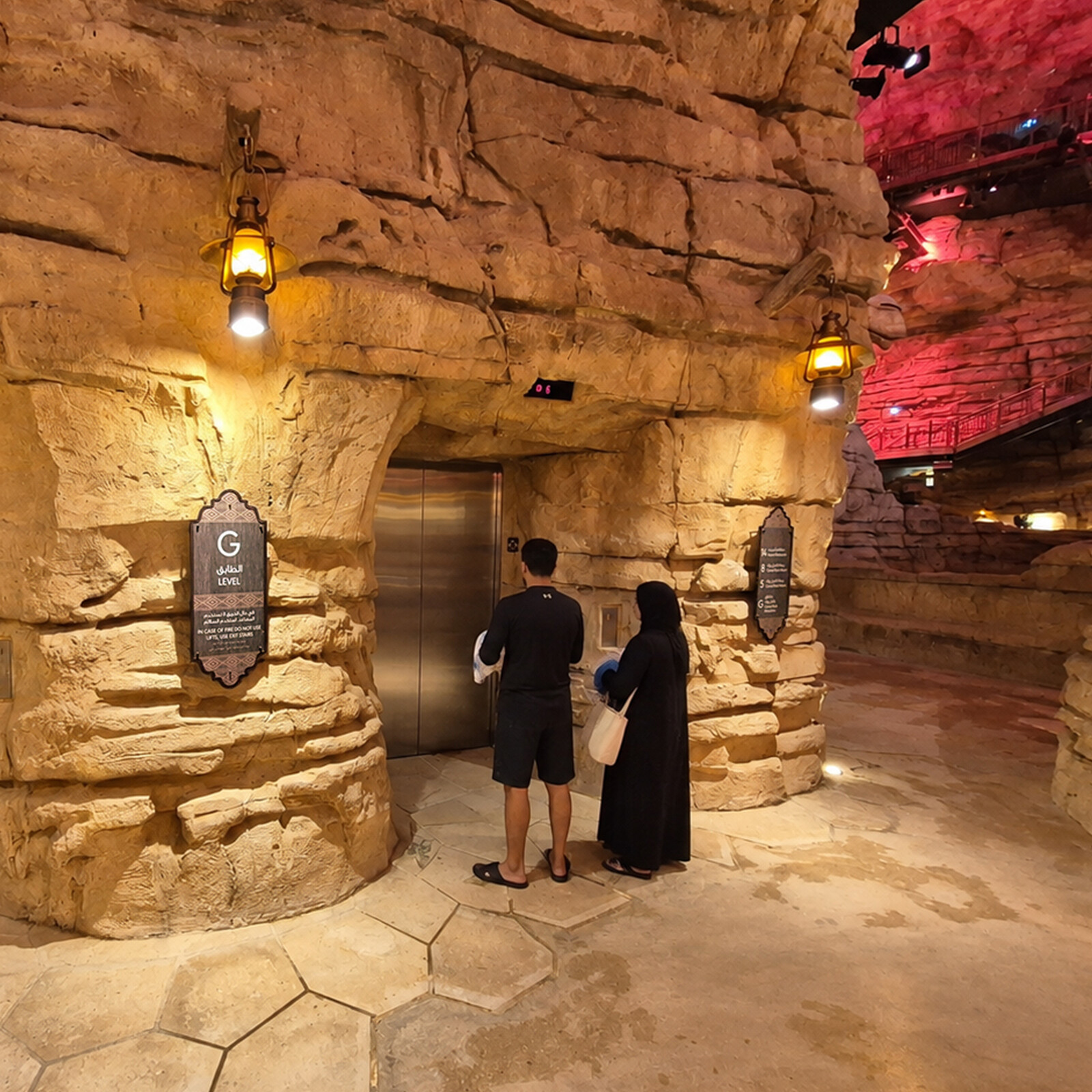
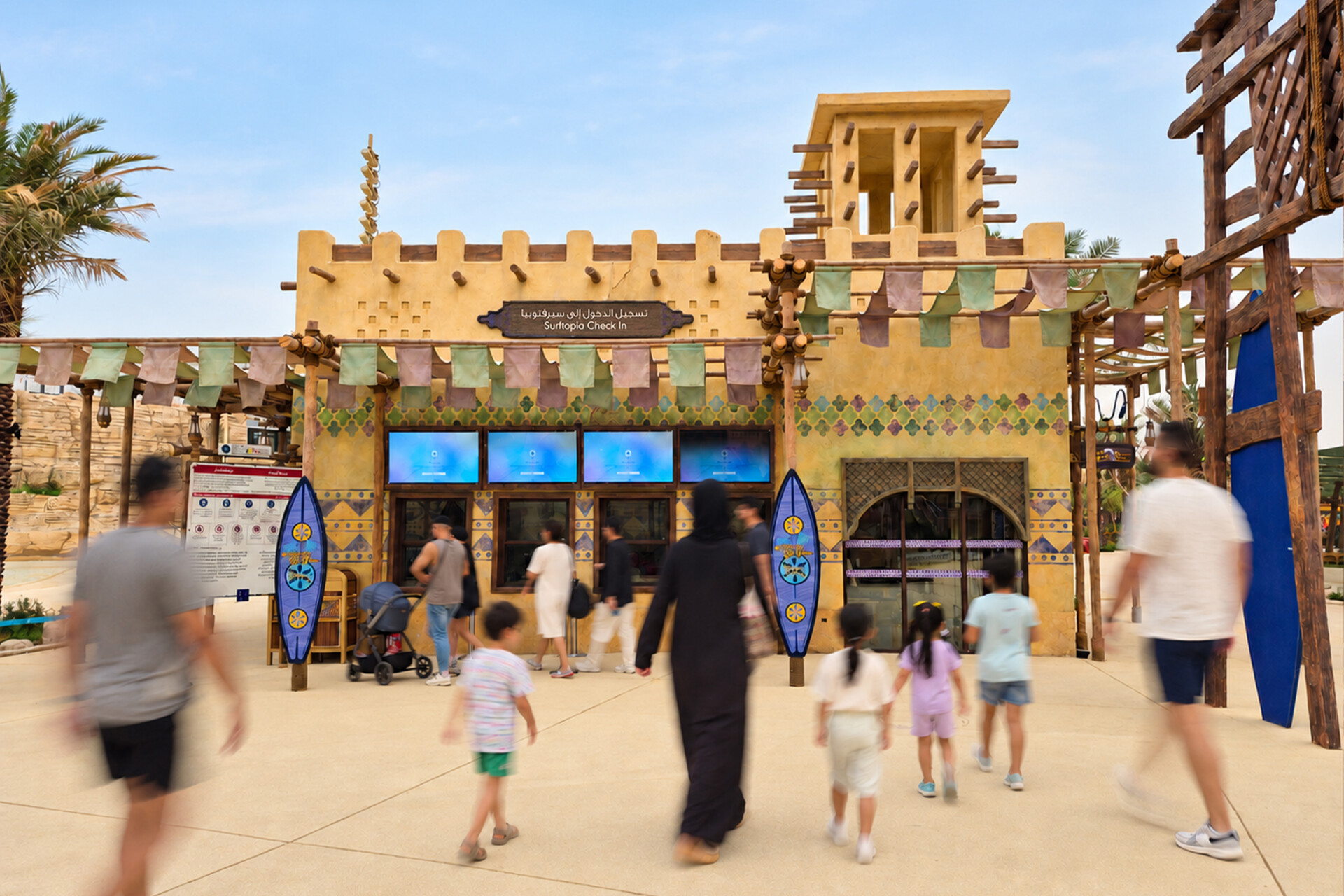
The physical signage was developed to feel equally at home within Aquarabia’s natural heritage setting. Bespoke themed lighting fixtures are integrated with the signage, improving visibility after dark while highlighting the sculptural forms and textures of the signage.
Moulded Fibre Reinforced Plastic (FRP) was chosen for its flexibility to create the sculptural forms and textures of a hand-crafted timber appearance. It was also chosen for its durability and corrosion-resistance in the harsh Saudi Arabian climate.
Advanced UV printing technology was used to apply raised tactile lettering, symbols and Braille with precision and durability. This method provides excellent resistance to heat, moisture, UV exposure, and everyday wear, making it suitable for the demanding environmental conditions of the region.
Together, these elements create a wayfinding system that goes beyond directional guidance. It creates a richer and more engaging guest experience by allowing navigation, storytelling and technology to work together as a single integrated system.
Confidence to explore, freedom to play
The completed wayfinding design has become an essential part of the Aquarabia visitor experience. Successfully integrated into one of the region’s most ambitious tourism destinations, the system enables guests to move confidently through a complex and highly immersive environment whilst preserving the spontaneity and excitement that define a day at the park.
By aligning closely with Qiddiya’s “Now We Play” philosophy, the wayfinding strategy transforms navigation into an enabler of exploration, helping visitors focus on creating memories rather than finding their way.
The precinct-based identity system strengthens the sense of place across the destination, whilst digital guest information enhances convenience and operational responsiveness.
Most importantly, the project demonstrates how wayfinding can contribute directly to guest experience. By improving orientation, reducing uncertainty and enhancing the overall guest journey, the system supports a more enjoyable, intuitive and memorable experience for every visitor.