Defining Mareterra's identity
At the heart of Mareterra is a simple yet powerful idea: the meeting of land and sea. Led by Noë & Associates, the place brand draws inspiration from the Mediterranean shoreline, where smooth, sculptural pebbles are shaped over time by water, movement and erosion. Even the name reflects this union, combining “mare” and “terra” to express the complementary forces that define the development.
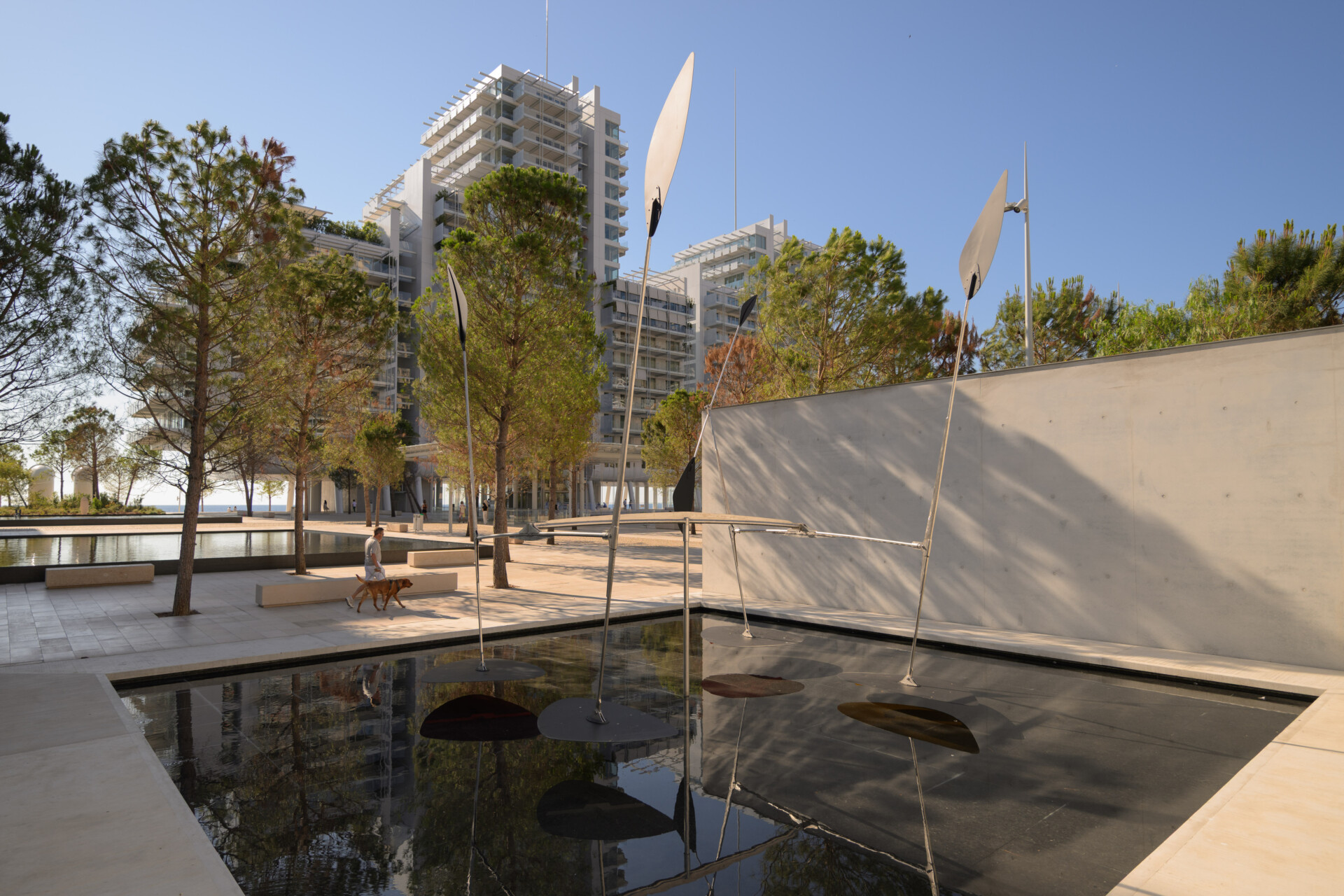
This idea informed Mareterra’s visual identity, evoking a sense of calm and a deep connection to the surrounding landscape. Art also plays a central role in reinforcing this narrative, most notably the Quatre lances sculpture by Alexander Calder. Positioned within the public realm, it creates a natural meeting point and strengthens the connection between art, water and movement.
Working in collaboration with Noë, Endpoint translated this brand narrative into the physical environment through a wayfinding strategy and design that felt inseparable from the place itself, emerging naturally from the landscape rather than being added to it.
A new piece of Monaco
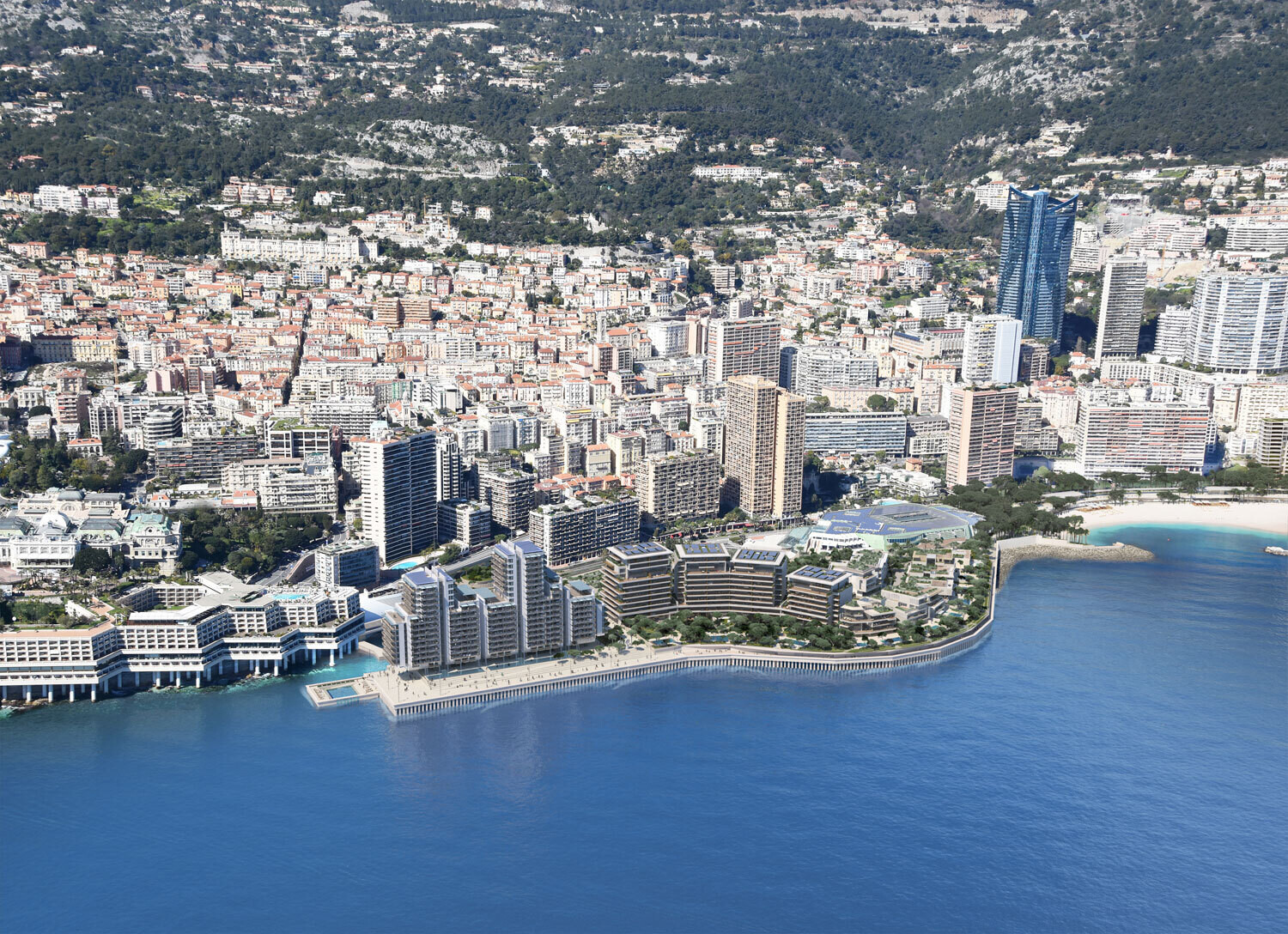
Built on reclaimed land, Mareterra responds to Monaco’s growth challenges by extending the city into the sea in a landmark project for the Principality. It increases Monaco’s territory by approximately three percent, adding six hectares of new ground, half of which is dedicated to public space. The result is a district that is both distinctly contemporary and deeply rooted in its Mediterranean setting.
Mareterra brings together a waterfront promenade, marina, park, retail and hospitality destinations, residential buildings and discreet underground parking. Designing a wayfinding scheme for a development that is both publicly accessible and home to some of the most exclusive residences in the world, required a careful and considered approach.
The challenge was to clearly define the relationship between public and residential space, encouraging exploration of the promenade, park and marina while respecting the privacy, security and daily lives of residents. Endpoint developed a scheme that supports both the openness of the district, and the prestige and exclusivity of its residential areas.
Within the residential area, this approach extended to bespoke, personalised naming for the townhouses and villas, enhancing the sense of place and belonging for residents.
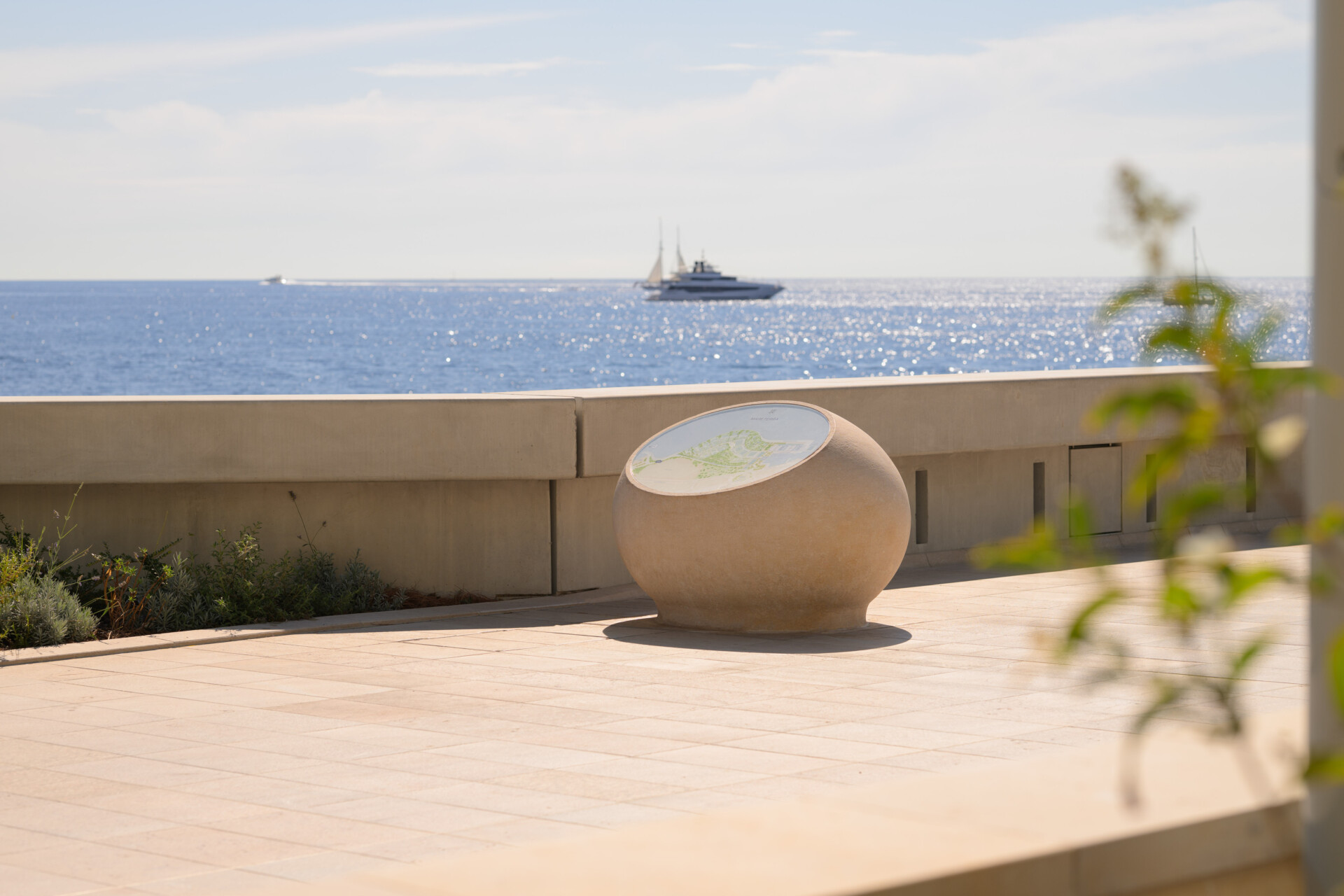
Navigation seamlessly integrated into the landscape
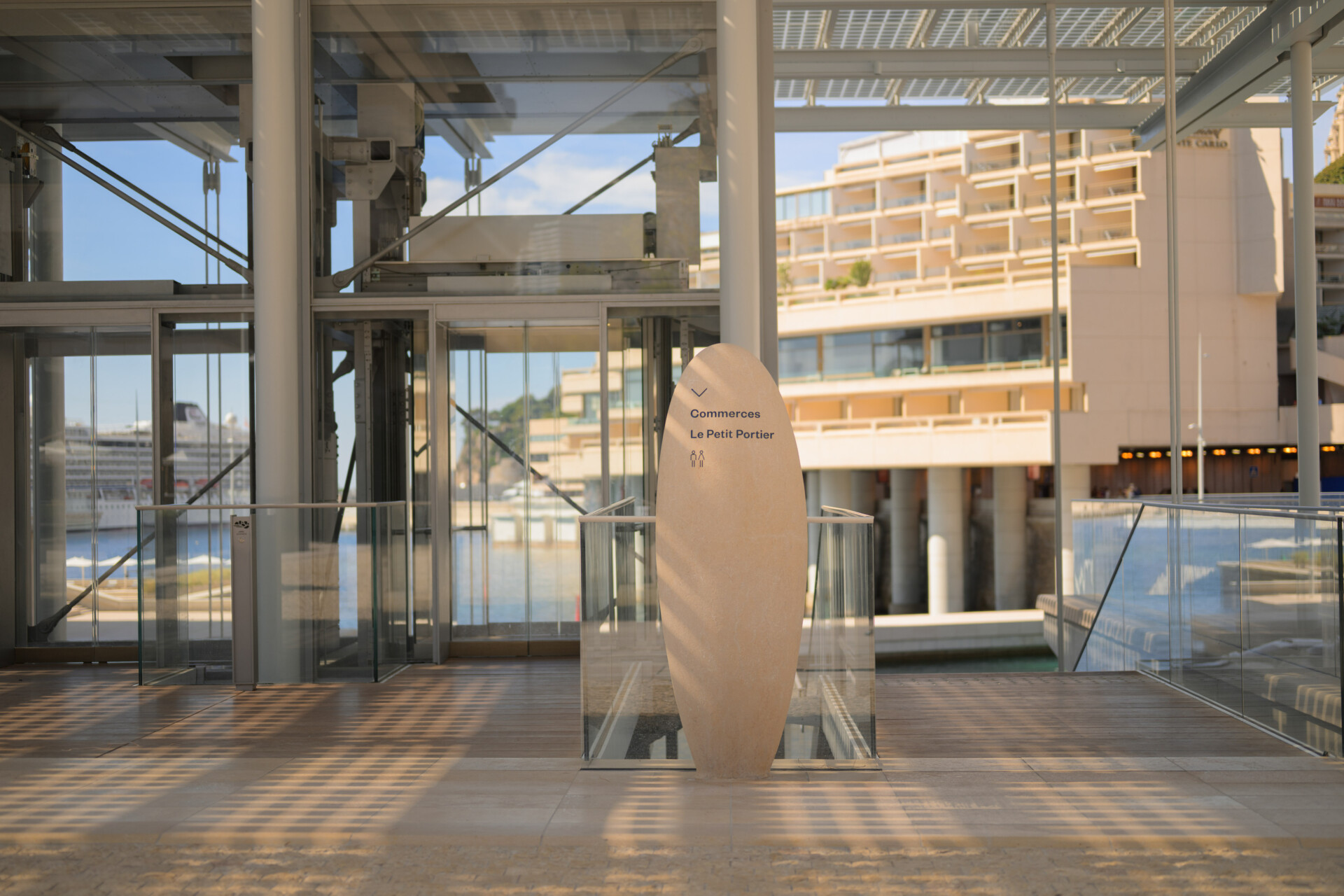
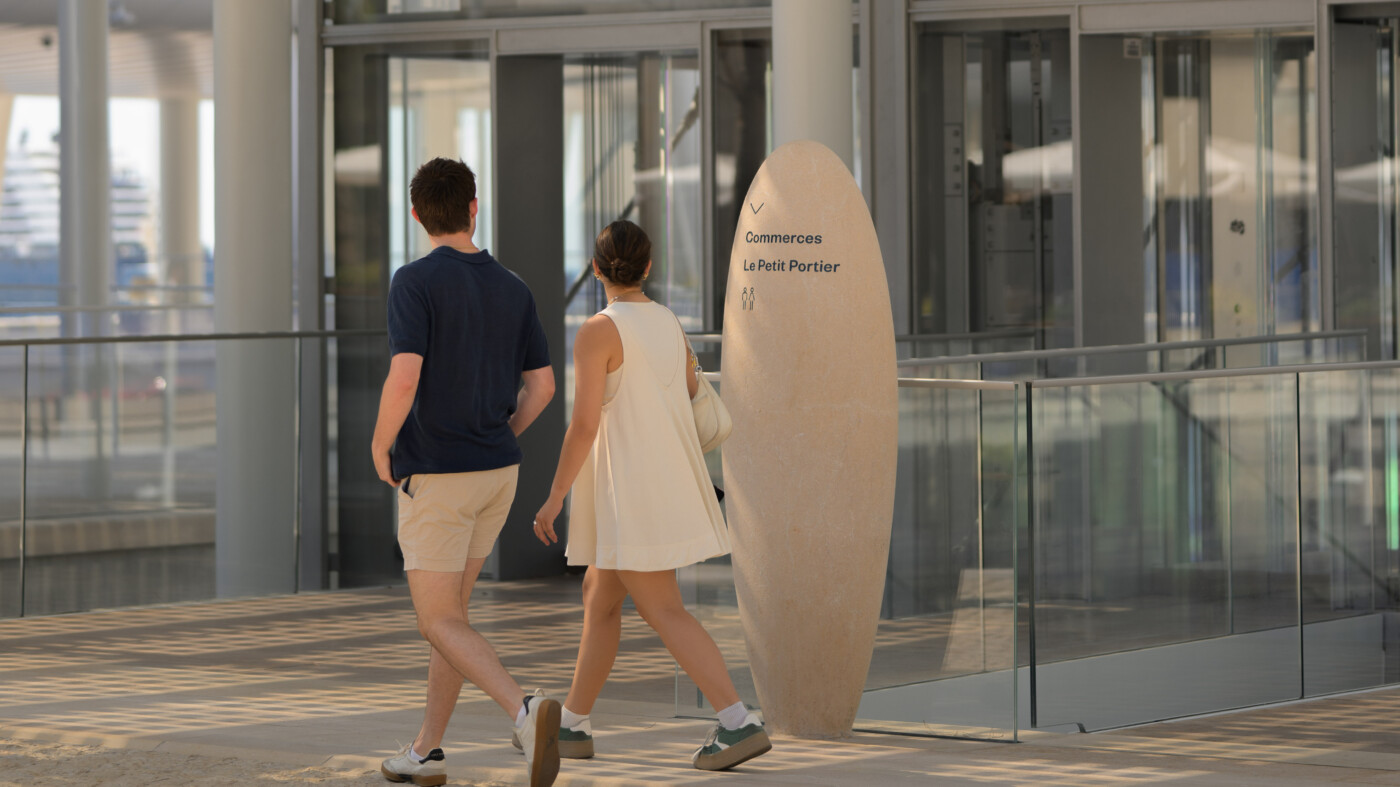
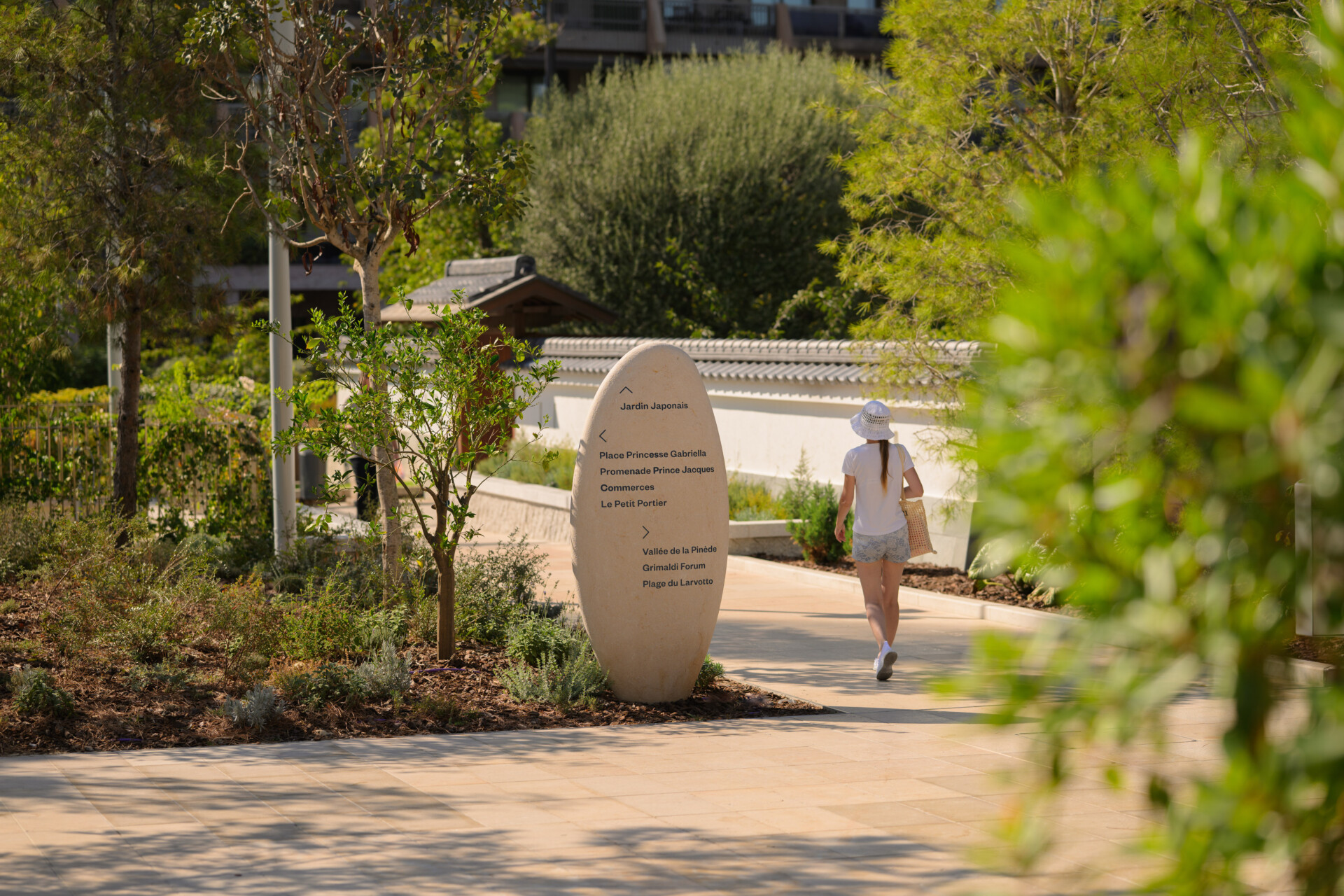
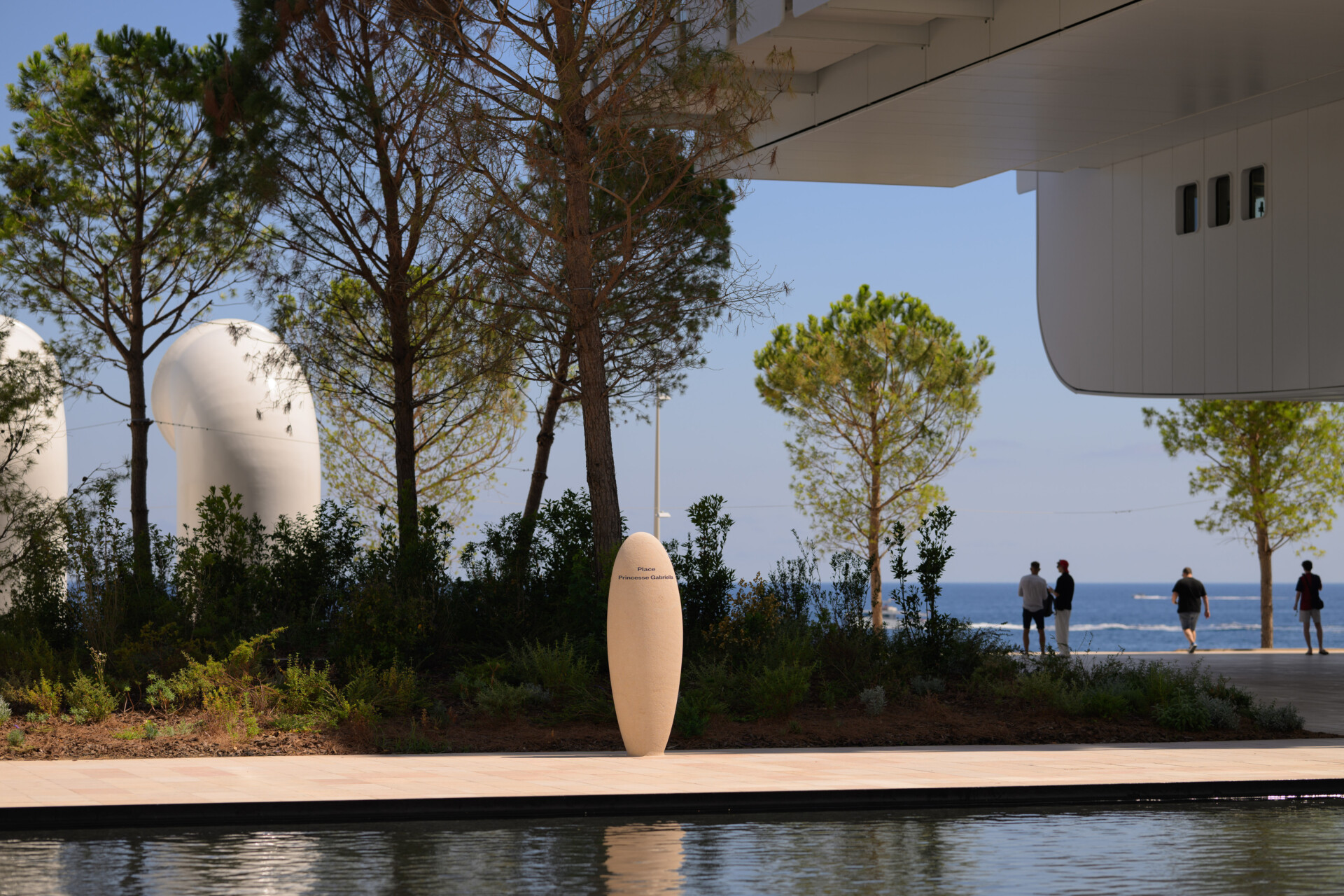
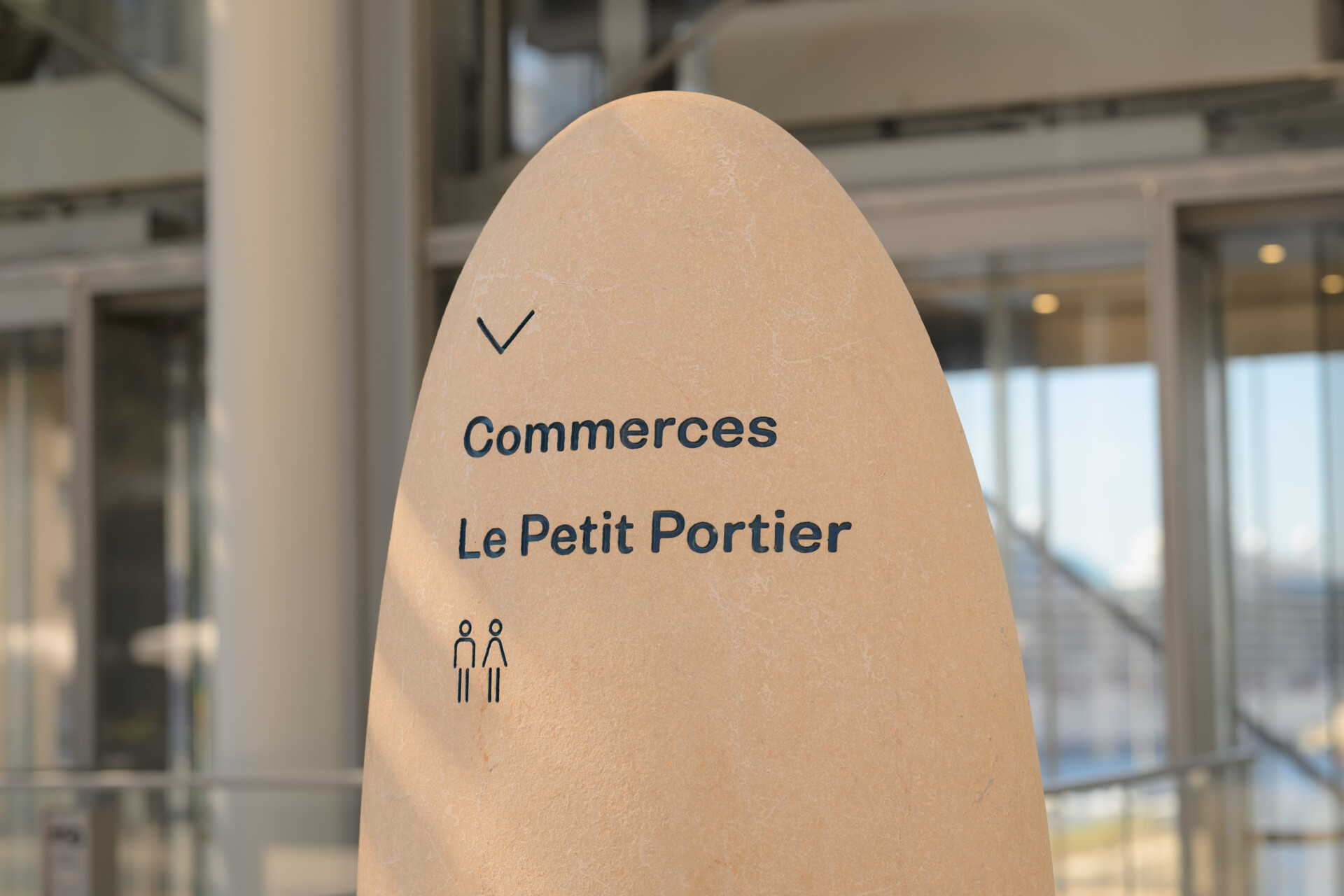
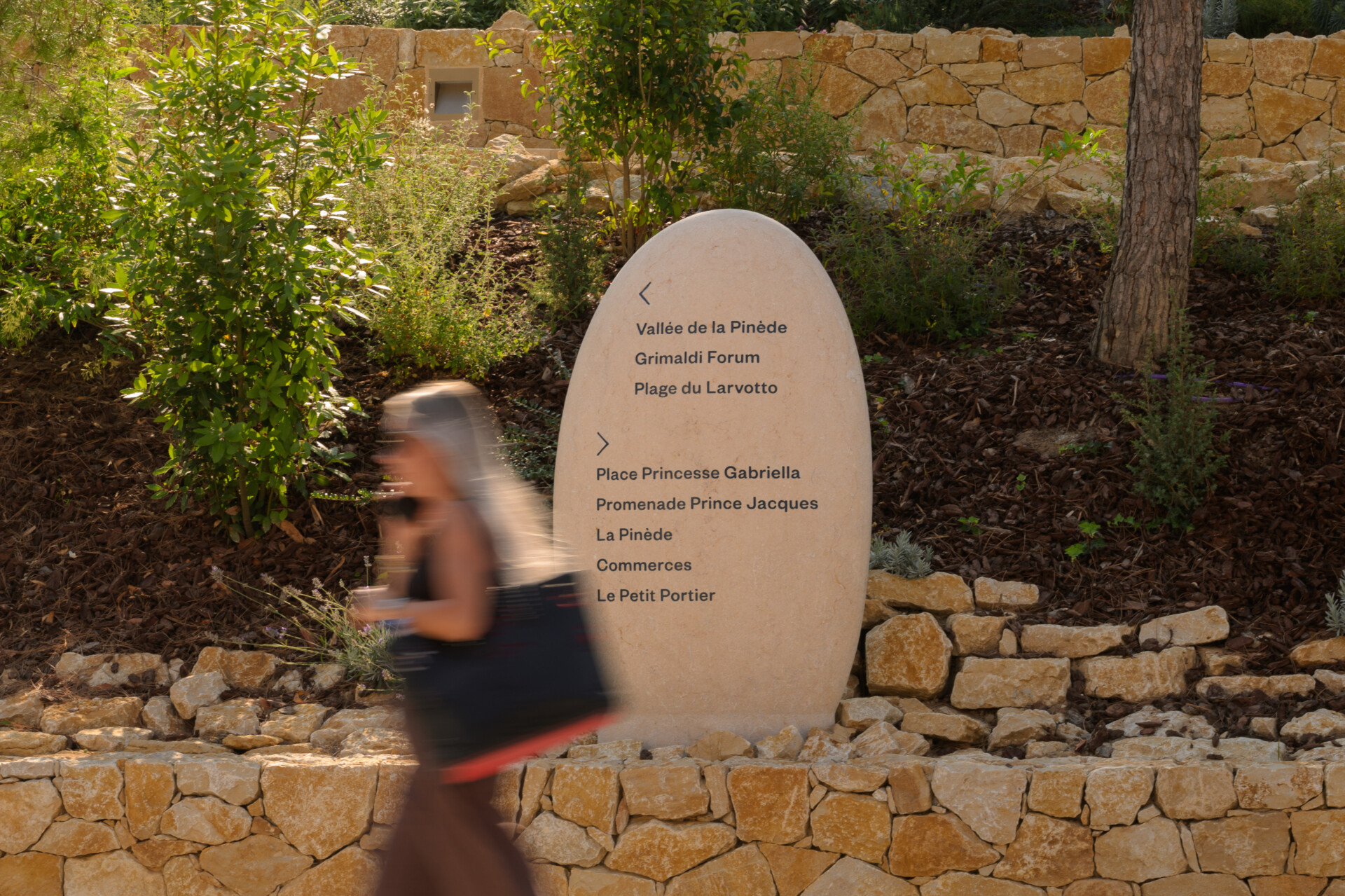
The wayfinding scheme came to life as a series of sculptural limestone monoliths embedded directly into the landscape. Their bespoke forms draw on the inspiration of Mediterranean pebbles, shaped by water and time, unique yet harmonious.
Using advanced surface modelling and parametric design, Endpoint developed a three-dimensional framework capable of generating multiple unique forms from a single model. This approach allowed each monolith to be bespoke, while maintaining consistency through shared proportion and spacing rules. The result is a system that feels naturally dispersed, as though the structures were found exactly where they now sit.
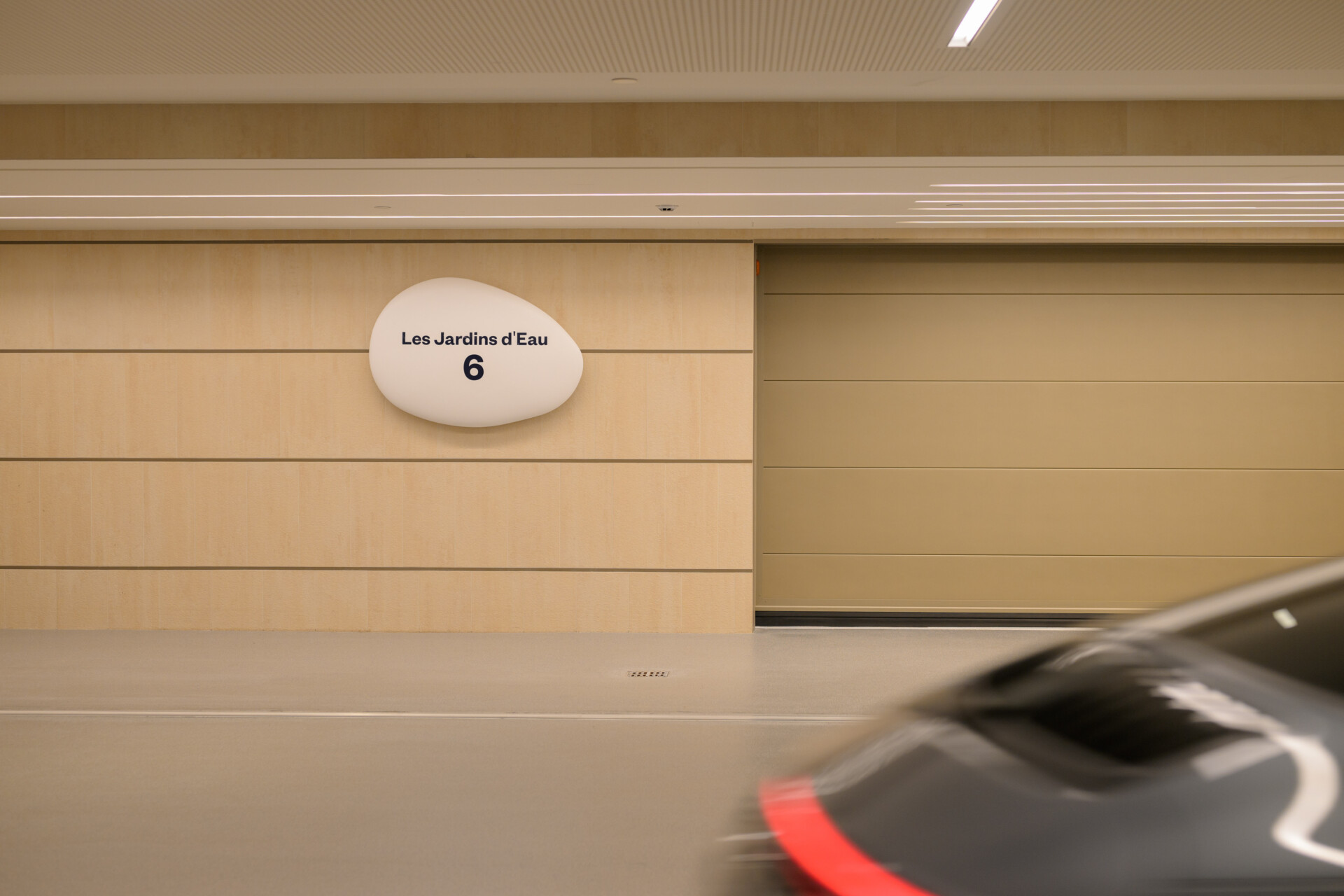
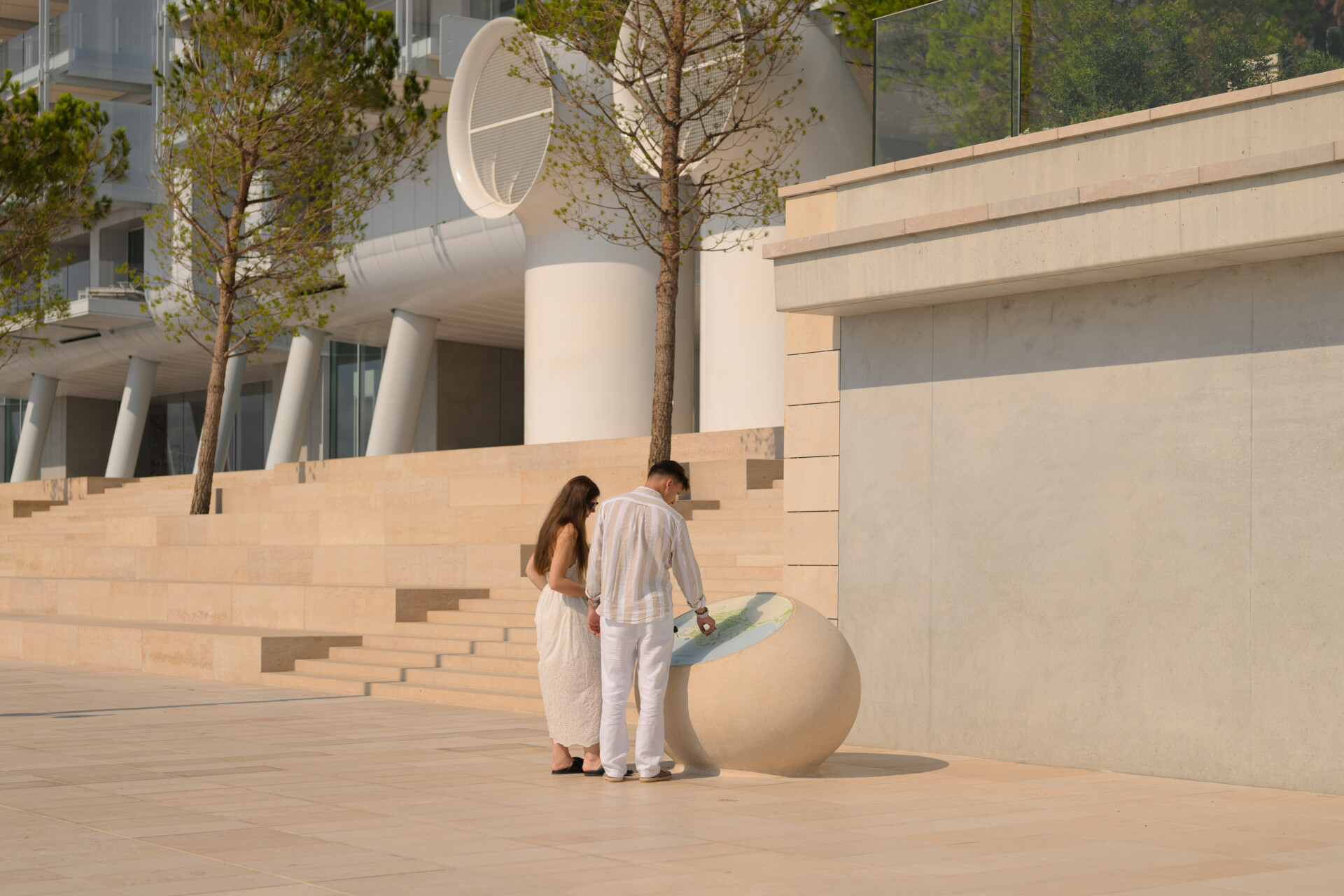
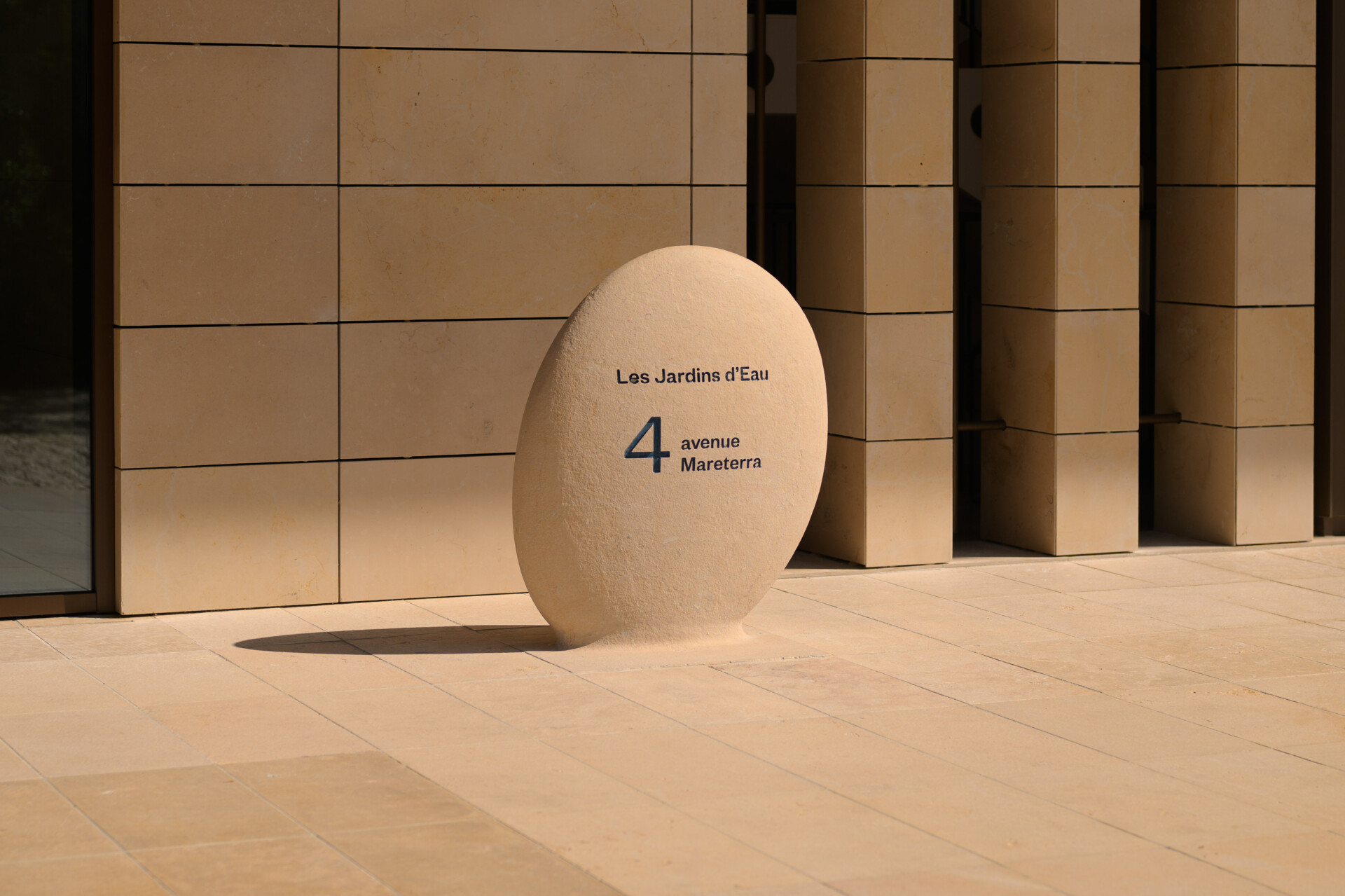
While the forms appear effortless, their delivery was highly technical. Each monolith was coordinated with the surrounding landscape, sitting precisely within individual paving slabs and aligning with subtle variations in ground level. Maps are oriented in relation to the coastline, using the sea as a constant point of reference to strengthen intuitive navigation across the district.
Extensive testing was carried out to inform how graphics were applied to the limestone. Lettering was CNC machined with a paint infill following detailed prototyping to ensure durability and longevity. The intention was a wayfinding scheme that would weather naturally alongside the landscape, while maintaining its premium quality.
The limestone for the monoliths and paving was all sourced from the same local quarry, ensuring material consistency and reinforcing the idea that the wayfinding is an integral part of the ground itself.
A new benchmark for luxury wayfinding
Across public realm, marina, retail and residential, the scheme provides clarity and identity, without intrusion. It contributes to a sense of belonging for residents while opening the district up for exploration by the wider public.
Through collaboration with Noë & Associates, a strong place brand was translated into a coherent physical system. The wayfinding is strategic and deeply contextual, establishing a benchmark for how navigation can operate within ultra-luxury, mixed-use environments.
Photographer: Tian Khee Siong
Agency: Noë & Associates